Worktop Refrigerator: Compact Cold Storage Without Losing Prep Space
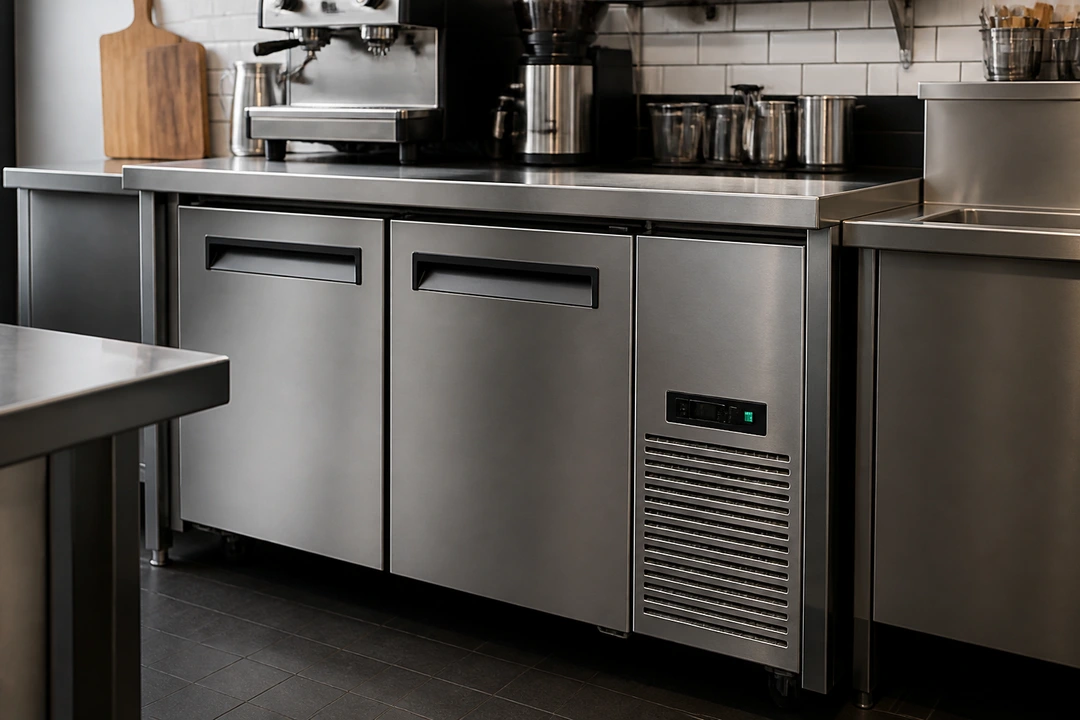
Educational commercial refrigeration guide for hospitality buyers. Always verify manufacturer specs, electrical requirements, and local food-safety codes before purchase or installation.
Choosing the right Worktop Refrigerator is one of the highest-impact equipment decisions in hospitality. Cold holding protects food safety, product quality, ticket speed, and profit. This guide explains how to evaluate a Worktop Refrigerator for restaurants, cafes, bars, bakeries, hotels, and retail foodservice-with practical notes on sizing, placement, utilities, cleaning, and total cost of ownership.
Operators researching Worktop Refrigerator usually care about refrigerated base with usable top work surface. The sections below turn those priorities into a procurement checklist you can share with chefs, bar managers, and facility teams before you order.
Why Worktop Refrigerator Matters in Daily Operations
Temperature abuse silently destroys margins. Produce wilts, dairy spoils early, frozen proteins ice-burn, and beverages sell slower when they are not cold enough. The correct cabinet style also reduces walking distance. Every unnecessary trip to a distant walk-in during peak service costs labor minutes and increases door-open heat gain.
A well-chosen Worktop Refrigerator supports FIFO organization, clearer labeling, and faster line setup. It also reduces emergency transfers into hotel pans because "the only fridge is full." Capacity planning is as important as brand preference.
Match the Unit to Menu, Volume, and Station
Start with what you store and where staff need it. Prep-line ingredients belong in refrigerated prep tables or chef bases. Bulk inventory belongs in walk-ins. Impulse retail needs merchandisers. Bars need bottle coolers, back-bar units, and often dedicated ice. Forcing one cabinet type to do every job creates both safety and speed problems.
Estimate peak-hour demand, not average days. If brunch doubles dairy and produce use, size your Worktop Refrigerator with recovery in mind. Door openings, hot kitchens, and frequent loading all raise the real load above brochure assumptions.
Related cold-holding categories such as Commercial Merchandiser Refrigerator can complement your primary unit when one cabinet cannot cover every station.
Key Specs to Compare Before You Buy
• Exterior/interior materials, gasket quality, and cleanability of corners
• Refrigeration system type, condenser access, and recommended ambient limits
• Electrical requirements, drain needs, and whether a dedicated circuit is required
• Casters/legs, leveling, and whether the top is work-rated where relevant
• Warranty terms, local service access, and filter/maintenance expectations
• Internal capacity in cubic feet or pan count, matched to real inventory
• Temperature range and whether the unit is medium-temp, low-temp, or dual-temp
• Door or drawer configuration and swing clearance in your exact footprint
Placement, Ventilation, and Workflow
Leave condenser airflow clearance as specified. Hot corners beside ovens, dishwashers, or sealed alcoves shorten compressor life. For undercounter and chef-base units, confirm that adjacent heat sources will not overwhelm recovery. For merchandisers, avoid direct sun and HVAC blasts that disturb air curtains or glass-door temperatures.
Map door swing against aisles and ADA paths. A refrigerator that cannot open fully during service is a daily frustration. In bars, plan bottle facing and garnish pans so the highest-velocity SKUs sit in the easiest reach zone.
When planning a full cold chain, operators often compare Air Curtain Merchandiser to ensure storage, prep, and guest-facing units work as one system.
Food Safety, Organization, and Daily Habits
Cold equipment only works when staff use it correctly. Keep raw proteins below ready-to-eat items. Use labeled date systems. Do not block return air grills with overpacked pans. Verify temperatures with a calibrated thermometer, not only the external display. Log checks during busy weeks when doors stay open longer.
For Worktop Refrigerator, train a simple open/close discipline: gather what you need, close the door, then prep. Extended door-open culture is a top reason commercial cabinets appear "weak" when the real issue is workflow.
Cleaning and Preventive Maintenance
Clean gaskets, wipe spills quickly, and keep condenser coils free of grease dust. Clogged condensers raise energy use and trip high-pressure failures. Defrost schedules matter on freezers. For ice machines and soft-serve equipment, follow manufacturer sanitation cycles strictly-guest illness risk and downtime both climb when cleaning is skipped.
Create a monthly maintenance card: coil check, gasket inspection, drain line clearance, thermometer verification, and caster lock function. Small upkeep prevents the Friday-night failure that empties a walk-in into emergency coolers.
Spare capacity planning may also include Commercial Freezer so peak seasons and menu expansions do not immediately outgrow your cold storage.
Budgeting and Total Cost of Ownership
Purchase price is only the entry fee. Factor energy use, filter replacements, water filtration for ice machines, service calls, gasket kits, and the cost of product loss during downtime. A slightly higher-quality cabinet with local parts support often wins over three years.
Phase investments if needed: secure the Worktop Refrigerator that protects your highest-risk products first, then add merchandising or convenience units once core food safety storage is stable.
Category-Specific Buying Notes
Undercounter units free aisle space but need careful venting. Confirm drawer vs door preference for your station's grab patterns.
Where to Shop Commercial Refrigeration
Explore commercial cold-holding categories and compare configurations at The Horeca store. Use your finalized Worktop Refrigerator checklist-capacity, utilities, clearance, and service access-before you place the order.
Final Takeaway
A strong Worktop Refrigerator decision protects food, speeds service, and reduces waste. Size for peak reality, place for airflow and workflow, maintain coils and gaskets, and train staff on door discipline. Do those things consistently and your cold chain becomes a competitive advantage instead of a recurring emergency.
Frequently Asked Questions
Q: Can one Worktop Refrigerator replace a walk-in?
A: Sometimes for very small concepts, but many growing kitchens still need bulk walk-in capacity. Use reach-ins and prep tables for stations, and walk-ins for reserve stock when volume rises.
Q: How do I know what size Worktop Refrigerator I need?
A: Convert peak inventory into pans, cases, or cubic feet, then add a buffer for delivery cycles. If you receive twice weekly, you need more holding than daily delivery operations.
Q: Should I choose drawers or doors?
A: Drawers often help cooklines and chef bases where quick access to pans matters. Doors can offer broader visibility and simpler shelving for bulk items. Match the style to grab patterns.
Q: What causes commercial refrigeration to run warm?
A: Common causes include dirty condensers, blocked vents, overpacking, excessive door openings, high ambient heat, and failing gaskets. Diagnose workflow and airflow before replacing the unit.
Keep a living file for your Worktop Refrigerator: model number, serial, install date, filter schedule, and service contacts. That record shortens repairs and helps you reorder the right shelves, gaskets, or pans without guesswork during a rush.
Reassess your Worktop Refrigerator setup after menu changes, seasonal volume spikes, or kitchen remodels. Cold storage that fit last year may be undersized after a delivery expansion or new frozen SKU list. A short quarterly review prevents quiet capacity problems from becoming food-safety incidents.
Share temperature logs and maintenance notes with managers on every shift. Consistent documentation builds accountability and makes it easier to justify upgrades when energy use or repair frequency climbs.
Reassess your Worktop Refrigerator setup after menu changes, seasonal volume spikes, or kitchen remodels. Cold storage that fit last year may be undersized after a delivery expansion or new frozen SKU list. A short quarterly review prevents quiet capacity problems from becoming food-safety incidents.


Comments
Post a Comment