Coffee Shop Equipment List to Start a Café
Coffee Shop Equipment List: Everything You Need to Start a Café
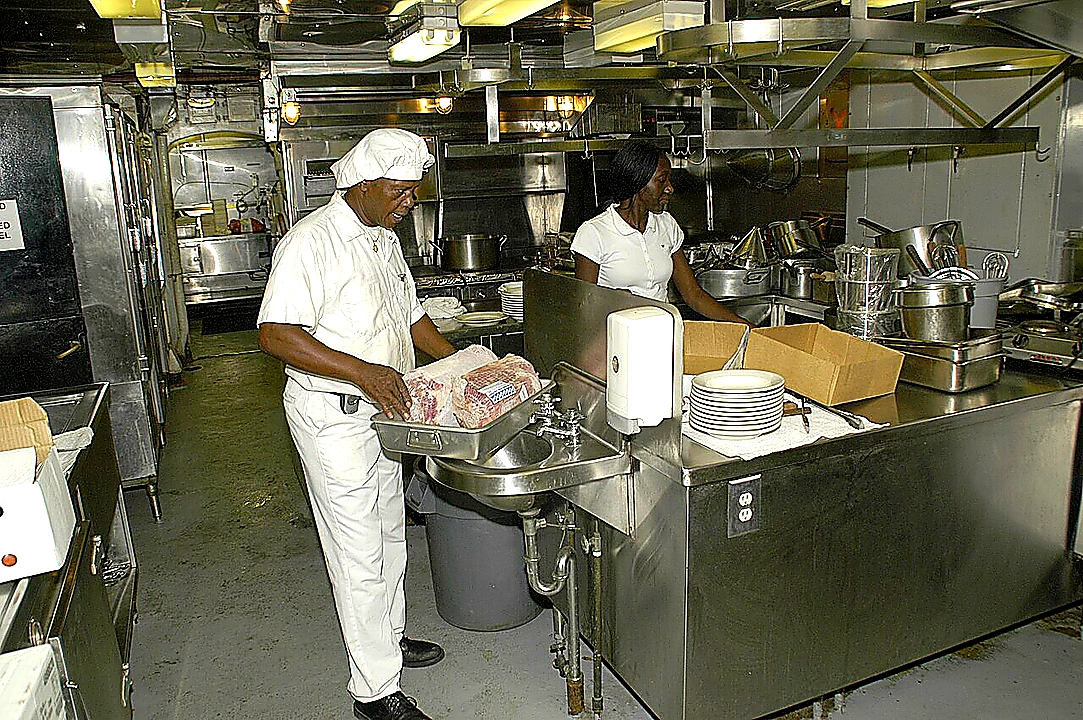
Opening a café is equal parts hospitality and operations. Guests notice the coffee first, but your daily success depends on cold storage, ice, dishwashing, and a workflow that keeps tickets moving without bottlenecks. This Coffee Shop Equipment List: Everything You Need to Start a Café is written for restaurant owners, kitchen managers, chefs, and equipment buyers who need practical sizing and capacity guidance-not vague inspiration. For more background, see Learn more about Coffee Shop Equipment List: Everything You Need to Start a Café.
At Restaurant Equipment Guides, we focus on commercial-grade choices that stand up to peak hours: espresso and brewing systems, undercounter and reach-in refrigeration, ice machines, prep tables, ovens or warmers if you serve food, and the sanitation gear that keeps health inspectors and staff happy. Use this list as a planning checklist you can take to vendors, contractors, and your landlord when you map utilities, floor drains, and clearance.
Before you buy anything, sketch your menu, peak cups per hour, and seating capacity. Those three numbers drive boiler size, refrigerator volume, ice production, and dish capacity more reliably than square footage alone.
Plan Capacity, Utilities, and Café Workflow First
A coffee shop equipment list only works if it matches your real service pattern. A grab-and-go shop with limited seating needs different refrigeration and dishwashing capacity than a full café with breakfast sandwiches, pastries, and afternoon lunch. Start by estimating morning rush volume, average ticket time, and how many staff will share the bar and the back of house. That estimate tells you whether you need a single dual-group espresso machine or a higher-volume setup with a dedicated brew station.
Map utilities early. Espresso machines need dedicated circuits, adequate water pressure, and often a filtration system. Refrigeration and ice machines need clear airflow and reliable drainage. Dish machines and three-compartment sinks require hot water, floor drains, and code-compliant spacing. If you skip this planning step, you risk buying equipment that cannot be installed where you intended-or that trips breakers during the busiest hour of the day.
Think in zones: order and payment, espresso and brew, cold drink and ice, pastry and food prep, dish and trash. Keep dirty and clean paths separate so servers and baristas do not cross. Leave service clearance for doors, filters, and condenser coils. Crowded equipment looks efficient on a floor plan until a compressor overheats or a door cannot open fully during rush.
Sizing rules that prevent expensive mistakes
Size cold storage to hold at least one full delivery cycle of dairy, syrups, prepared sauces, and perishable food-not just what fits under the bar. For ice, plan for peak drink demand plus a buffer for dump sinks, barista rinsing, and unexpected heat. For espresso, match group heads and boiler recovery to cups per hour, not to Instagram aesthetics. Oversizing wastes energy and capital; undersizing creates lines and burned-out staff.
Energy use and maintenance from day one
Commercial café equipment runs long hours, so energy and maintenance are operating costs, not footnotes. Choose ENERGY STAR-rated refrigeration and ice machines when available, keep condenser coils clean, and schedule descaling and water-filter changes. Train staff to wipe gaskets, check door seals, and report warm spots early. A small maintenance habit prevents spoiled milk, weak espresso, and emergency service calls.
Core Bar Equipment: Espresso, Brewing, Grinders, and Water
Your espresso machine is the heart of most café concepts, but it is only one piece of the system. Pair it with commercial grinders sized for peak volume, a reliable water filtration setup, and a backup brew method such as batch brew for drip coffee. Guests expect consistency; that means stable temperature, clean water, and grinders that do not choke when the line forms.
Choose an espresso machine with enough groups for simultaneous drinks and enough steam capacity for milk drinks without killing shot quality. A café that mostly serves drip and iced coffee may run a smaller espresso footprint than a specialty shop focused on lattes and cortados. Ask vendors about recovery time, boiler configuration, and service access-not just appearance. Confirm water hardness testing and filtration before install; scale is one of the fastest ways to shorten machine life.
Batch brewers, pour-over stations, and tea equipment expand the menu without forcing every order through the espresso machine. If you sell high volumes of drip, a commercial batch brewer with matching airpots or thermal servers keeps the bar moving. For cold brew, plan dedicated cold storage space and containers rated for food service-do not improvise with open buckets that create contamination risk.
Grinders, knock boxes, and barista tools
Budget for at least one dedicated espresso grinder and a separate grinder for drip or single-origin if your menu needs it. Include a knock box, tamping station, milk pitchers, thermometers or temperature-controlled pitchers if you use them, and enough bar spoons and cleaning brushes. Small tools seem minor until you are missing them during service and improvising with unsafe workarounds.
Water quality, filtration, and steam safety
Treat water as an ingredient and a machine-protection system. Filtration should address sediment, chlorine taste, and hardness according to your local water report and manufacturer guidance. Train staff on steam wand purging, milk pitcher sanitation, and burn awareness. Hot water and steam are productivity tools and safety hazards at the same time.
Refrigeration, Freezers, Ice Machines, and Cold Drink Setup
Dairy, oat milk, syrups that need refrigeration, pastry cases, and prepped sandwich fillings all compete for cold space. Undercounter refrigerators keep milk close to the espresso bar, while reach-in units in the back hold backup stock and food prep. Separate raw and ready-to-eat items if you prepare food, and use thermometers to verify holding temperatures-do not trust a display light alone.
Freezers matter if you store frozen pastries, ice cream, or backup food. Choose commercial freezers with adequate airflow and door gaskets that seal under constant opening. Glass display freezers or refrigerated pastry cases can sell product visually, but they need cleaning routines and temperature checks every shift. Avoid stuffing units so full that air cannot circulate; overpacking is a common cause of warm spots and spoiled inventory.
Ice machines are easy to underestimate. Iced lattes, cold brew, and soft drinks can exhaust a small cube or nugget ice machine by mid-morning. Match production rate and storage bin size to peak iced-drink volume, and place the machine where heat and noise will not punish guests or overheat nearby refrigeration. Schedule regular cleaning of the ice machine and bin; biofilm and mineral scale are food-safety and flavor problems, not just cosmetics.
Bar fridge layout and pastry merchandising
Keep high-turn dairy in undercounter units at the point of use, and store backup gallons in a back reach-in. If you use a refrigerated display for pastries or grab-and-go, plan lighting, cleaning access, and a restocking path that does not block the order line. Merchandising only helps if temperature control stays reliable.
Ice type, drainage, and cleaning cadence
Nugget or chewable ice is popular for cold drinks but may have different production and melt characteristics than hard cubes. Confirm drain requirements, air or water cooling, and manufacturer cleaning intervals. Assign ownership: who cleans the bin, who changes filters, and who logs temperatures.
Food Prep, Cooking, Warming, and Dishwashing Essentials
Even coffee-forward cafés often sell toast, sandwiches, soups, or bakery items. If your menu includes hot food, you need commercial prep tables, cutting boards color-coded for allergens and proteins, a commercial toaster or conveyor toaster for volume, and possibly a small convection oven, panini press, or induction warmer. Match equipment to the menu you will actually execute every day-not a wishlist that overcrowds a tiny kitchen.
Prep sinks, hand sinks, and a three-compartment sink or commercial dishwasher are non-negotiable for most jurisdictions when you handle foodware and utensils. A high-temp or chemical sanitizing dishwasher saves labor if cup and plate volume is high; a three-compartment sink remains a backup and a code requirement in many locations. Include enough sheet pans, hotel pans, Cambros or equivalent food containers, and labeled date-marking supplies to keep FIFO discipline.
Warming equipment-soup wells, holding cabinets, or heated display-only belongs on the list if you will use it continuously. Idle warmers waste energy and dry out product. If you fry or grill, you are stepping into a fuller restaurant equipment profile with ventilation hoods, fire suppression, and grease management. Confirm mechanical and fire code requirements before you buy a fryer or chargrill for a café buildout.
Smallwares and prep workflow that protect food safety
Stock commercial cutting boards, knives, portion scoops, digital probe thermometers, gloves, and sanitizer buckets with test strips. Design prep so ready-to-eat items never share surfaces with raw proteins if you cook eggs or meats. Clear labeling and dedicated utensils prevent allergen mix-ups during rush.
Dish capacity, detergents, and chemical storage
Estimate racks per hour during peak, not average. Undersized dishwashing creates dirty-cup piles that slow the bar. Store detergents and sanitizers away from food and coffee ingredients, with secondary containment if required, and train staff on correct concentrations.
Furniture, POS, Safety Gear, and Opening-Day Checklist
Front-of-house equipment is still equipment. Choose commercial-grade tables and chairs rated for constant use, flooring that tolerates spills and rolling carts, and lighting that makes pastry and coffee look appetizing without glare on screens. A reliable POS with kitchen or bar routing, cash drawer, card readers, and receipt printers keeps tickets accurate when the line wraps.
Safety and compliance items belong on every Coffee Shop Equipment List: Everything You Need to Start a Café. That includes fire extinguishers rated for your hazards, first-aid kits, wet-floor signage, nonslip mats at the bar and dish area, and PPE such as cut gloves for prep. If you have cooking equipment under a hood, schedule hood cleaning and keep the suppression system inspected. Document temperatures for refrigeration and hot holding as part of opening and closing checklists.
Before opening day, run a full dry run: brew, steam, ice, store, wash, and restock as if guests were waiting. Note where staff bump into each other, where cords trip, and where the trash overflows. Adjust placement before habits harden. Build relationships with a refrigeration tech and an espresso technician who can respond quickly-downtime on either system stops sales cold.
Procurement priorities when budget is tight
Spend first on espresso and grinders quality, refrigeration reliability, ice capacity, water filtration, and sanitation. Soft seating and décor can upgrade later; a failing fridge cannot. Buy commercial, not residential, for anything that runs all day-residential units fail early under café duty cycles.
Frequently Asked Questions
What is the most important item on a coffee shop equipment list?
Reliable espresso and grinding capacity paired with adequate refrigeration and ice usually matter most, because they protect drink quality and food safety during rush. Without cold storage and ice sized for peak demand, even a great espresso machine cannot keep up. Water filtration should be planned with the espresso machine, not after install.
How much refrigeration does a new café need?
Plan undercounter space at the bar for daily dairy and high-turn ingredients, plus back-of-house reach-in capacity for at least one full delivery cycle. If you sell perishable food or large pastry volumes, add dedicated cold display or prep refrigeration so you do not overcrowd milk fridges. Verify holding temperatures with thermometers every shift.
Do I need a commercial ice machine to start a café?
Most cafés that sell iced drinks need a commercial ice machine sized for peak iced-beverage volume plus a storage buffer. Relying only on bagged ice creates cost spikes, melt waste, and sanitation risk. Match cube or nugget style to your drink menu and confirm drain, ventilation, and cleaning requirements before purchase.
Can I use residential kitchen equipment in a coffee shop?
Residential refrigerators, dishwashers, and espresso machines are not built for all-day commercial duty cycles, frequent door openings, or health-code expectations. They tend to fail early, run inefficiently, and may create compliance problems. Invest in commercial equipment for cold storage, ice, dishwashing, and the core bar.
What maintenance should café equipment get weekly?
Clean espresso group heads and steam wands daily, and follow manufacturer descaling and backflush schedules. Wipe refrigerator gaskets, check temperatures, and keep condenser coils free of dust on a regular cadence. Clean the ice machine and bin on the manufacturer's timeline, and verify dishwasher chemical levels or high-temp wash performance.
How should I prioritize equipment if I am opening on a tight budget?
Prioritize espresso and grinders, water filtration, refrigeration, ice production, handwashing and dishwashing, and basic food-safety tools. Delay nonessential décor and secondary warmers until volume proves the need. A smaller menu executed with reliable commercial gear outperforms a wide menu supported by underpowered equipment.
Conclusion
A strong Coffee Shop Equipment List: Everything You Need to Start a Café starts with menu demand, peak cups per hour, and a floor plan that respects utilities, airflow, and clean-versus-dirty workflow. When you size espresso, refrigeration, ice, prep, and dishwashing to real service-not wishful capacity-you protect drink quality, food safety, energy costs, and staff morale from the first week.
Use this guide from Restaurant Equipment Guides as your buyer checklist when you compare vendors and plan installation. Confirm water quality, circuit capacity, drainage, and service access before you sign purchase orders, then train your team on daily cleaning and temperature checks. Build the café around equipment that can work as hard as your busiest morning-and leave room to grow when the lines get longer.
Looking for a ready-to-order option? Explore this Coffee Shop Equipment List: Everything You Need to Start a Café on The Horeca Store.
Compare commercial kitchen equipment and restaurant supplies at The Horeca Store.
Related Guides
- Pizza Restaurant Equipment List: Everything You Need for a Pizza Kitchen
- Coffee Shop Equipment
- Restaurant Equipment List: Complete Commercial Kitchen Checklist


Comments
Post a Comment