Commercial Refrigerator Buying Guide: Features to Look For
Commercial Refrigerator Buying Guide: Features to Look For
Choosing the right commercial refrigerator is one of the highest-impact equipment decisions a restaurant, café, or institutional kitchen will make. Cold storage protects food safety, supports ticket times, and shapes how your team moves through prep, service, and closing. This Commercial Refrigerator Buying Guide: Features to Look For is written for restaurant owners, kitchen managers, chefs, and buyers who need practical criteria-not marketing slogans. For more background, see Learn more about Commercial Refrigerator Buying Guide: Features to Look For.
Commercial refrigeration is not a scaled-up home fridge. Units are built for frequent door openings, denser product loads, and stricter temperature control under heat, grease, and rush-hour traffic. The best buy matches your menu volume, footprint, workflow, and utility constraints while staying serviceable for years.
Use this guide to compare reach-ins, undercounters, prep tables, and walk-ins by capacity, temperature performance, energy use, cleanability, and safety-so you can shortlist equipment that fits your kitchen before you talk to a dealer.
Start With Capacity, Footprint, and Kitchen Workflow
Before you compare doors, shelves, or Energy Star ratings, define how much cold storage you actually need and where it must live. Undersizing forces overpacking, which blocks airflow and raises product temperatures. Oversizing wastes floor space, energy, and capital that could go to a better oven, fryer, or ice machine. Map peak inventory for proteins, dairy, produce, sauces, and beverages, then translate that into usable cubic feet-not just the number printed on a spec sheet.
Usable capacity is what remains after shelves, pans, door sweeps, and real-world stacking. A reach-in that looks large empty can feel tight once you load hotel pans, cambros, and case goods. Plan clearance for carts, aisle traffic, and door swing so staff can load and pull product without blocking the pass or dishwasher return. In compact lines, undercounter and drawer units often beat tall reach-ins because they keep cold storage inside the cook's triangle.
Workflow should drive configuration. Grill and sauté stations benefit from refrigerated drawers or undercounter units holding proteins and mise en place. Garde manger and sandwich lines usually need prep-table refrigerators with refrigerated pans and a cutting board. Banquet and catering kitchens often prioritize tall reach-ins and a shared walk-in for bulk receiving. Match the refrigerator type to the station job, then size for the busiest service-not a quiet Tuesday.
Sizing rules that keep temperature stable
Leave intentional air gaps around product and avoid stacking boxes against evaporator fans or rear walls. If your team regularly receives large deliveries, plan staging space in a walk-in or a dedicated receiving cooler so line refrigerators stay stocked for service, not stuffed with unopened cases. When two sizes are close, prefer the slightly larger cabinet only if your floor plan and electrical load still allow proper clearance and ventilation.
Footprint checks before you order
Measure doorways, elevators, and turns from receiving to install location. Confirm height under hoods, shelves, and low ceilings, and note whether the unit needs rear, side, or top ventilation clearance. A perfect feature set is useless if the cabinet cannot be wheeled in or will overheat against a wall.
Temperature Control, Airflow, and Food Safety Features
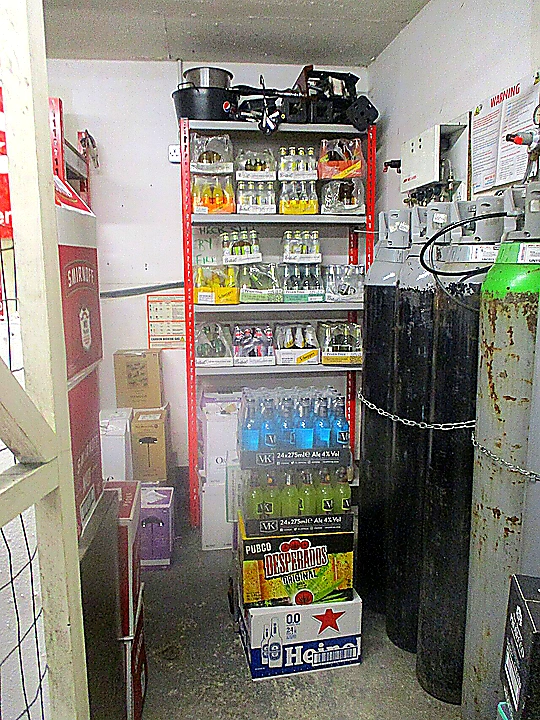
A commercial refrigerator's primary job is holding product in a safe refrigerated range under abuse conditions: frequent openings, hot ambient kitchens, and dense loads. Look for tight temperature control, clear digital displays, and alarms for high/low temperature or door-ajar events. External thermometers or probe wells help managers verify holding temperatures during opening and closing checks without guessing from a single display reading.
Airflow design matters as much as the setpoint. Forced-air systems move cold air throughout the cabinet; blocked vents or overloaded shelves create warm pockets that spoil product at the edges while the center still looks fine. Glass-door merchandisers and pass-through units see even higher door cycles, so prioritize strong recovery after openings if your operation is high volume. For prep tables, evaluate how well pan rails hold temperature when lids are open during a rush.
Food safety features extend beyond temperature. Removable, cleanable gaskets; smooth interior corners; and corrosion-resistant shelves reduce harborage points. Lockable doors help with controlled items and after-hours security. If you store raw proteins near ready-to-eat foods, use separate cabinets or clearly dedicated shelves and pans-equipment features support HACCP habits, but they do not replace them.
What "recovery" means in a busy kitchen
Recovery is how quickly the cabinet returns to setpoint after doors open or warm product is loaded. Strong recovery reduces the time food spends in the danger zone during prep and restocking. Ask how the unit behaves in warm kitchens and with frequent access; that performance is more meaningful than a quiet showroom demo.
Alarms, logging, and daily checks
Temperature alarms, door alarms, and simple logging (digital or paper) help catch failures before a full spoilage event. Pair equipment alerts with a staff checklist: verify setpoint, scan for frost anomalies, and confirm product temps on opening and closing. Features only protect inventory when someone acts on them.
Energy Efficiency, Refrigeration Systems, and Operating Cost
Energy use is a long-term operating cost, not a one-time line item. Efficient compressors, quality insulation, tight door seals, LED lighting, and well-designed condensers can lower utility bills and reduce heat dumped into an already hot kitchen. Energy Star-rated commercial refrigerators are a useful screening tool, but still compare real cabinet size, door type, and intended duty cycle for your concept.
Understand the refrigeration layout. Self-contained units are simpler to install and move; remote systems can cut heat and noise in the cook line but need professional design and outdoor or mechanical-room space. Condenser placement and cleanability strongly affect efficiency: a greasy, dust-clogged condenser runs longer, costs more, and fails sooner. If your kitchen has poor ventilation or sits next to fryers and ovens, prioritize units with accessible condensers and clear service access.
Door design also drives energy use. Solid doors generally hold temperature better than glass for back-of-house storage. Glass doors help merchandising and visual inventory but increase heat gain. Choose based on whether the unit is for staff storage or customer-facing display. Soft-close or spring-assisted doors, sturdy hinges, and replaceable gaskets keep seals effective after thousands of service openings.
Utilities and install realities
Confirm voltage, phase, amperage, and whether a dedicated circuit is required. Check condensate management: some units evaporate condensate; others need a drain. Plan for leveling on uneven floors and leave manufacturer-recommended clearances so the refrigeration system can reject heat. Wrong power or blocked airflow turns an efficient cabinet into a problem unit within months.
Balancing upfront price and lifetime cost
A lower purchase price can be expensive if the unit runs constantly, needs frequent gasket and condenser service, or cannot hold temperature in your ambient conditions. Weigh warranty terms, parts availability, and local service support alongside kilowatt-hour estimates. For most restaurants, reliability and serviceability matter as much as the sticker price.
Construction, Cleanability, Maintenance, and Safety Details
Commercial kitchens punish equipment. Look for durable stainless exteriors and interiors that resist corrosion from spills, salt, and acidic foods. Shelving should be adjustable, sturdy, and easy to remove for cleaning. Rounded interior corners and minimal crevices speed wipe-downs and support health inspections. Door gaskets should be replaceable without exotic tools; worn gaskets are a common cause of temperature drift and energy waste.
Maintenance features separate units that stay reliable from units that become chronic work orders. Ask how accessible the condenser filter or coil is for routine cleaning. Note whether evaporators frost excessively in your climate or door-open patterns, and whether defrost is automatic and predictable. Keep a simple PM schedule: clean condensers, check gasket seal with a paper-pull test, verify drains, and listen for unusual compressor cycling.
Safety includes electrical listing for commercial use, stable casters or legs with locks where needed, and thoughtful handle placement so staff can open doors without awkward lifts of heavy pans. Avoid blocking emergency exits or creating pinch points in narrow aisles. If you use flammable cleaners or store chemicals nearby, keep them away from compressors and electrical components. Train staff not to hose electrical areas and to report warm cabinets early-small issues become spoilage events fast.
Reach-in vs. undercounter vs. prep table vs. walk-in
Reach-ins suit bulk cold storage near the line or pantry. Undercounters and drawers support station mise en place with minimal steps. Prep-table refrigerators combine refrigerated pans with a work surface for sandwiches, salads, and pizza. Walk-ins handle receiving, bulk protein, and overflow. Many kitchens need a mix; this Commercial Refrigerator Buying Guide: Features to Look For works best when each unit has a clear role instead of one cabinet trying to do everything.
A practical feature checklist before you buy
Confirm capacity and clear aisle/door dimensions; temperature display and alarms; strong recovery for your door-open pattern; Energy Star or comparable efficiency where it fits the duty cycle; accessible condenser cleaning; replaceable gaskets; sturdy shelves and casters; correct voltage; condensate plan; and local parts/service support. Bring your menu, peak covers, and floor plan to the dealer conversation so recommendations stay grounded in your operation.
Frequently Asked Questions
What size commercial refrigerator does a restaurant typically need?
Size depends on menu, delivery frequency, and whether you also have a walk-in. Estimate peak cold storage for proteins, dairy, produce, and prep, then choose usable cubic feet that avoids chronic overpacking. Many kitchens combine a walk-in for bulk receiving with reach-ins or undercounters on the line for service speed.
Which features matter most in a Commercial Refrigerator Buying Guide: Features to Look For?
Prioritize accurate temperature control with good recovery, adequate usable capacity, durable construction, cleanable interiors, accessible condenser maintenance, and efficient operation for your duty cycle. Door type, alarms, and serviceability should match how often staff open the unit during rush periods.
Are Energy Star commercial refrigerators worth it?
Often yes for units that run 24/7, because lower energy use and reduced heat output cut utilities and kitchen cooling load. Still verify that the cabinet size, door style, and performance fit your workflow. Efficiency ratings help screen options; they do not replace sizing and airflow planning.
How often should commercial refrigerator condensers and gaskets be checked?
In most restaurants, inspect and clean condenser areas on a frequent PM schedule-often monthly or more in greasy, dusty kitchens-and check door gaskets regularly for tears, gaps, or hardening. Warm product, long compressor run times, or visible frost anomalies are signs to service sooner.
Should I choose solid doors or glass doors?
Solid doors generally hold temperature better and suit back-of-house storage with frequent access. Glass doors help merchandising and quick visual inventory but typically gain more heat. Choose based on whether the unit is primarily for staff storage or customer-facing display.
When is a prep-table refrigerator better than a standard reach-in?
Choose a prep-table unit when the station needs refrigerated pans and a cutting surface for high-speed assembly, such as sandwiches, salads, or pizza. Use reach-ins when you need deeper bulk storage without an integrated prep top. Many lines benefit from both working together.
Conclusion
A strong commercial refrigerator purchase starts with honest capacity and workflow planning, then narrows to temperature performance, energy use, cleanability, and service access. Use this Commercial Refrigerator Buying Guide: Features to Look For to evaluate cabinets against how your team actually cooks, preps, and restocks-not against a generic feature list.
Next, measure your space and utilities, list must-have features for each station, and compare a short shortlist with a trusted dealer or service partner. The right cold storage protects food safety, speeds service, and keeps operating costs predictable as your restaurant grows.
Looking for a ready-to-order option? Explore this Commercial Refrigerator Buying Guide: Features to Look For on The Horeca Store.
Compare commercial exhaust hood packages and related kitchen equipment at The Horeca Store.
Related Guides
- Commercial Oven Buying Guide: Features to Consider
- Commercial Freezer Buying Guide: How to Choose the Right One
- Commercial Ice Machine Buying Guide: Features, Capacity & Types


Comments
Post a Comment