Fast-Food Restaurant Equipment List: Complete Kitchen Setup
Fast-Food Restaurant Equipment List: Complete Kitchen Setup
Opening a fast-food kitchen is less about buying every shiny piece of stainless steel and more about building a line that can cook, hold, and serve the same items quickly for hours. A practical Fast-Food Restaurant Equipment List: Complete Kitchen Setup starts with your menu, peak ticket volume, and the path food takes from delivery to the pass. For more background, see Learn more about Fast-Food Restaurant Equipment List: Complete Kitchen Setup.
This guide is written for restaurant owners, kitchen managers, chefs, and buyers who need refrigeration, cooking, prep, and holding equipment that fits a real workflow. You will find sizing and capacity guidance, energy and maintenance notes, and safety checks you can use before you sign a purchase order.
Use the sections below as a checklist. Match each category to your menu, then size for your busiest 30 minutes-not your quiet Tuesday lunch.
Plan Your Line Before You Buy Equipment
A complete kitchen setup fails when gear is chosen first and layout is guessed later. Map receiving, cold storage, prep, cook line, holding, and expediting as a continuous path. Keep raw proteins and produce on separate prep surfaces, and leave clear aisles for carts and staff during rushes.
Decide your service model early: counter service, drive-thru, or both. Drive-thru volume usually needs faster fry recovery, more holding capacity, and ice production sized for peak beverage tickets. Counter-only concepts may prioritize a wider grill and a larger make table instead.
Write target cook times for every hero item. If fries must drop in under three minutes at peak, your fryer battery and oil capacity matter more than a fancy oven. If burgers are the star, grill surface area and a reliable flat-top or charbroiler take priority. Let the menu dictate the Fast-Food Restaurant Equipment List: Complete Kitchen Setup, not the other way around.
Size for Peak Volume, Not Average Days
Estimate covers or tickets in your busiest half hour, then add a cushion for growth. Undersized refrigeration forces door openings that raise temps; undersized fryers create long ticket times that kill throughput.
Ask vendors for recovery rates, door opening ratings, and recommended load guidelines rather than relying on marketing capacity alone. Plan electrical and gas loads with a licensed contractor so you do not buy equipment your utility service cannot support.
Refrigeration, Freezers, and Ice Machines
Cold storage is the backbone of any fast-food kitchen. You typically need a reach-in refrigerator for daily prep, a reach-in or chest freezer for frozen proteins and fries, and undercounter or prep-top units at the cook line. Walk-ins make sense once inventory volume outgrows reach-ins or when you run multi-day protein and produce storage.
Choose units with adequate airflow and easy-clean interiors. Keep refrigerator setpoints around food-safe ranges and avoid packing shelves so tightly that air cannot circulate. Separate raw and ready-to-eat items, and use dedicated drawers or pans for high-turnover proteins at the line.
Ice machines support fountain drinks, iced tea, and back-of-house cooling needs. Size ice production to peak beverage demand plus a buffer for heat and busy weekends. Place the ice machine where it can be cleaned and where melt water drains properly, and schedule routine descaling based on your water hardness.
Energy Use and Maintenance Basics
Dirty condenser coils, worn door gaskets, and blocked vents drive up energy use and shorten compressor life. Build a weekly wipe-down and monthly coil-cleaning habit into opening or closing checklists.
For ice machines, follow the maker's cleaning cycle and use a water filter suited to your municipal or well supply. Log temperatures daily; a rising trend often signals a service need before food is at risk.
Cooking Core: Fryers, Grills, Ovens, and Holding
Most fast-food menus lean on fryers and grills. Plan fryer wells by product family so allergens and flavor transfer stay controlled-dedicated wells for fries versus breaded proteins is a common best practice. Look for strong recovery, easy filtration access, and oil-life management habits that protect food quality and reduce waste.
Grills and flat-tops need enough cooking surface for simultaneous tickets. A charbroiler suits marked proteins and smoky flavor; a flat-top handles smash burgers, eggs, and toasted buns with less flare risk. Confirm gas BTU or electrical amperage, ventilation requirements, and clearance from walls before install.
Ovens and specialized cookers fill menu gaps: conveyor or deck ovens for pizza-style items, combi or convection for batch roasting, and microwave or rapid-cook units for reheating and limited-time offers. Holding cabinets, heat lamps, and heated wells keep finished product within safe temperature ranges without drying it out. Match holding capacity to your make-ahead window so you do not cook ahead further than quality allows.
Fryer and Grill Workflow Tips
Stage baskets, tongs, and portion scoops within arm's reach of each station. Keep raw breading areas away from the fry dump and keep a clear path from fryer to salt/season station to packaging.
On the grill, use sidewall or pass rails for plated tickets and assign one person to manage timing when volume spikes. Train staff on oil filtration schedules and grill scrape-downs between rushes to protect flavor and reduce fire risk.
Ventilation and Safety Must-Haves
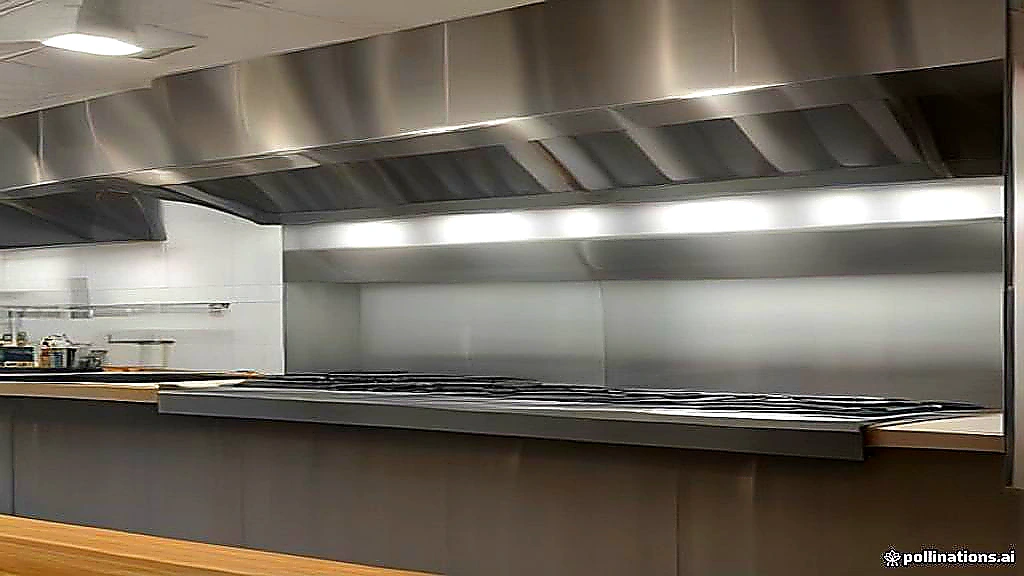
Cooking equipment belongs under a properly sized hood with grease filters that are cleaned on a set schedule. Keep fire suppression inspected and never block pull stations or extinguisher access.
Require slip-resistant floors near fryers, heat-resistant gloves for oil changes, and clear spill response steps. Hot oil accidents and grease fires are the highest-risk events on a fast-food line-design the layout to reduce cross-traffic through those zones.
Prep Stations, Smallwares, and Support Equipment
Prep tables, cutting boards, food processors, and portion tools determine how fast your cook line can stay stocked. A refrigerated make table with chilled pans keeps toppings and proteins ready for burgers and sandwiches. Stainless work tables give you flexible space for wrapping, boxing, and plating.
Do not overlook sinks, dishwashers or three-compartment sinks, and handwashing stations required by local code. Warewashing capacity must keep trays, pans, and utensils cycling during peak-otherwise prep slows and sanitation slips. Add labeled allergen boards and color-coded tools if your menu includes shared fryers or shared prep surfaces.
Smallwares complete the setup: hotel pans, sheet pans, fry baskets, spatulas, thermometers, timers, and storage containers with date labels. Buy durable commercial-grade pieces; consumer tools fail under continuous use. Keep calibrated probe thermometers at the line and train staff to check cook and hold temps as part of every shift.
Workflow Layout for Speed
Place prep near cold storage so staff are not walking across the cook line with raw product. Position the make table next to the grill or assembly pass so toppings move a few feet, not across the room.
Create a dry-goods and packaging zone near the expo window. Cups, lids, bags, and wrappers should never compete with fryer space. A clear Fast-Food Restaurant Equipment List: Complete Kitchen Setup always includes this soft infrastructure, not just the heavy equipment.
Buying Checklist: Specs, Utilities, and Vendor Questions
Before you purchase, confirm gas, electrical, water, and drain availability at each equipment location. Measure doorways, corridors, and the path from the loading dock so large units can actually enter the building. Ask about warranty length, parts availability, and local service response times-downtime on a fryer or freezer is lost revenue.
Request energy information and cleaning requirements in writing. Compare total cost of ownership: purchase price, install, ventilation, oil usage, ice machine water use, and expected service intervals. Prefer equipment with accessible filters, removable panels, and parts that your local technicians know well.
Finally, build a staged install plan. Refrigeration and ice should be commissioned before food arrives. Cooking line pieces should be tested under load after hood and gas or electrical connections are verified. Train the opening crew on start-up, shutdown, filtration, and temperature logs before the first service day.
What to Ask Every Supplier
Ask for recommended capacity based on your peak tickets, not a generic "seats" number. Confirm lead times, delivery windows, and who handles uncrating and leveling.
Clarify what is included: casters, legs, shelves, water filters, and startup visits. Get a written list of required clearances and utility specs so your contractor and health inspector are not surprised on install day.
Frequently Asked Questions
What belongs on a Fast-Food Restaurant Equipment List: Complete Kitchen Setup?
At minimum, plan refrigeration and freezer storage, an ice machine sized for peak drinks, fryers and a grill or flat-top matched to your menu, holding equipment for finished product, prep tables or make stations, warewashing and hand sinks, and the smallwares needed for portioning and safety checks. Add ovens or specialty cookers only if the menu requires them. Always size to peak volume and confirm utilities before ordering.
How many fryers does a typical fast-food kitchen need?
Many concepts start with at least two wells so fries and breaded proteins do not share oil, then add capacity if peak recovery times slip. Exact needs depend on menu mix and ticket volume. Prioritize recovery performance, filtration access, and a layout that keeps the fry dump clear of raw prep.
Should I choose a walk-in cooler or reach-in refrigerators first?
Start with reach-ins and undercounter units if inventory is modest and space is tight. Move to a walk-in when you regularly outgrow daily storage, need multi-day protein holding, or want fewer delivery interruptions. Either way, protect airflow, monitor temperatures daily, and keep raw and ready-to-eat foods separated.
How do I size an ice machine for a fast-food restaurant?
Estimate ice per drink at peak, multiply by peak hourly drinks, then add a cushion for heat, drive-thru spikes, and weekend volume. Factor in bin storage so you can ride through short rushes without mid-shift shortages. Place the unit where it can be cleaned and maintained, and use filtration suited to your water quality.
What maintenance habits protect commercial kitchen equipment longest?
Clean fryer oil on a schedule, scrape and degrease grills between rushes, wipe refrigerator gaskets, and clear condenser coils regularly. Descale ice machines as recommended and log cold-holding temperatures every shift. Pair these habits with scheduled professional inspections for hoods, fire suppression, and refrigeration.
What safety steps matter most when installing cook-line equipment?
Install cooking equipment under a code-compliant hood, keep fire suppression inspected, and leave clear access to extinguishers and exits. Train staff on hot-oil handling, slip hazards, and temperature checks. Confirm gas and electrical work is done by licensed professionals and that clearances meet manufacturer and local code requirements.
Conclusion
A Fast-Food Restaurant Equipment List: Complete Kitchen Setup works when every piece supports speed, food safety, and a clean workflow from receiving to the guest. Start with menu and peak volume, size cold storage and ice honestly, then build the fryer and grill core with the holding and prep support those stations need.
Use this checklist to compare quotes, pressure-test utility plans, and train your opening team before the first rush. When you are ready to refine a category-refrigeration, fryers, or prep stations-review each station against real ticket times and adjust capacity before you expand the menu.
Looking for a ready-to-order option? Explore this Fast-Food Restaurant Equipment List: Complete Kitchen Setup on The Horeca Store.
Compare commercial kitchen equipment and restaurant supplies at The Horeca Store.
Related Guides
- Restaurant Equipment List: Complete Commercial Kitchen Checklist
- Food Truck Equipment List: Complete Mobile Kitchen Setup
- Hotel Kitchen Equipment List: Complete Commercial Kitchen Guide


Comments
Post a Comment