Food Truck Equipment List: Complete Mobile Kitchen Setup
Food Truck Equipment List: Complete Mobile Kitchen Setup
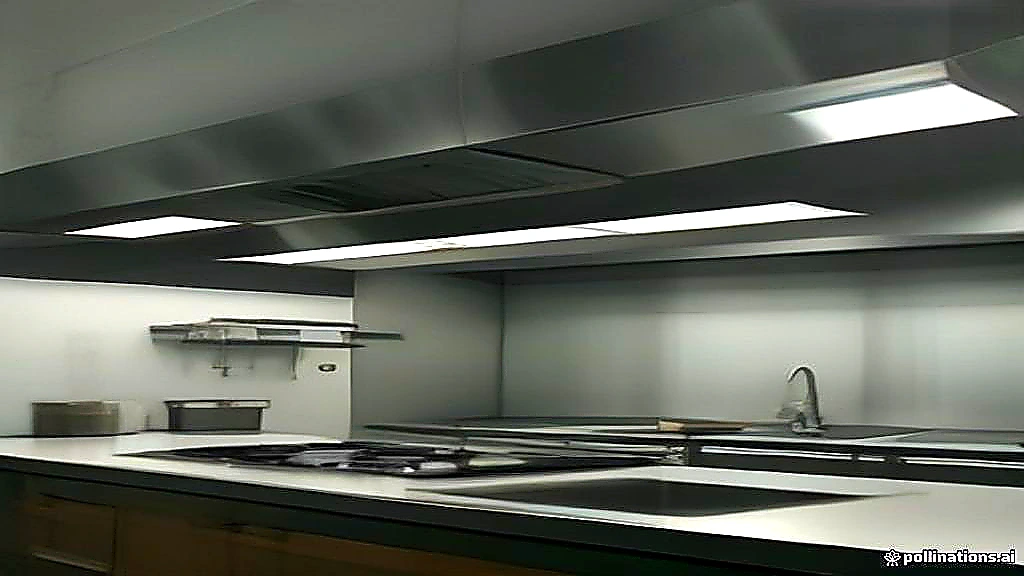
Building a reliable mobile kitchen starts with a clear food truck equipment list and a plan that fits your menu, truck size, and power capacity. Unlike a brick-and-mortar kitchen, every inch, amp, and gallon of water matters when you cook on the road. Restaurant Equipment Guides created this guide for restaurant owners, kitchen managers, chefs, and buyers who need practical sizing, workflow, energy, and maintenance advice-not vague checklists. For more background, see Learn more about Food Truck Equipment List: Complete Mobile Kitchen Setup.
A complete mobile kitchen setup balances cooking power, cold storage, prep space, sanitation, and ventilation so service stays fast and safe during peak rushes. The right mix depends on your cuisine, ticket volume, and whether you run festivals, lunch corridors, or late-night routes. Use the sections below to prioritize essentials first, then layer in efficiency upgrades that protect food quality and reduce downtime.
Plan Your Menu, Layout, and Utility Limits First
Before you buy a single piece of stainless steel, map the menu to a cookline sequence. List every item, its cook method, hold time, and plating steps. That inventory tells you whether you need a flat-top, fryer, range, steamer, or grill-and which pieces must sit within one step of each other. A taco truck often needs a griddle and refrigerated prep rail; a fried-chicken concept needs fryers, holding cabinets, and strong exhaust. Match equipment to real tickets, not aspirational menus.
Measure the truck's interior length, width, and ceiling height, then sketch a left-to-right workflow: receiving and storage, prep, cookline, plating, and service window. Keep hot and cold zones separated so refrigeration does not fight the cooking line. Leave aisle clearance for two people to pass safely, and confirm door swings will not block egress or fire suppression pull stations. Compact footprints reward equipment with vertical storage, undercounter refrigeration, and multi-function cook surfaces.
Confirm utilities early. Most trucks run generators, shore power, propane, or a hybrid of all three. Total connected load for refrigeration, lights, hood fans, and electric appliances must stay below continuous generator capacity with a safety margin for startup surges. Propane lines need licensed installation, leak checks, and proper manifold capacity for simultaneous burners. Freshwater tanks, gray-water tanks, and hand sinks must meet local health codes before you finalize the food truck equipment list.
Capacity and ticket-volume sizing
Estimate peak covers per hour, then size fryers, griddles, and cold wells for that surge-not average days. Undersized cooklines create bottlenecks; oversized units waste fuel, heat the cabin, and strain ventilation. Choose holding equipment that keeps finished items at safe temperatures without drying them out during short service windows.
Power, propane, and water budgeting
Assign each appliance a fuel source and note continuous versus startup demand. Refrigeration should stay on dedicated circuits whenever possible. Plan freshwater for handwashing, utensil rinsing, and limited food prep, and empty gray water only at approved dump stations. Energy discipline-closing lids, staging defrost cycles off-peak, and avoiding unnecessary electric appliances-extends generator life and reduces fuel cost.
Core Cooking Equipment for a Complete Mobile Kitchen Setup
Your cookline is the revenue engine of the truck. Start with the primary heat source that produces most of your sales, then add secondary units that expand the menu without crowding the aisle. Commercial flat-top griddles handle burgers, breakfast protein, vegetables, and searing with predictable recovery when you choose a surface size matched to batch volume. Char-broilers deliver grill marks and smoke character but require aggressive grease management and strong exhaust.
Countertop or freestanding fryers are essential for fries, wings, and battered items. Prefer units with solid temperature recovery, easy filtration access, and lids that reduce oil oxidation between rushes. If fry volume is high, plan a second fryer for allergen or flavor separation rather than overloading one vat. Ranges with open burners support sauces, pasta, and stock pots, while convection ovens or compact combi-style units help with roasting, baking, and finishing when menu complexity justifies the footprint.
Steam tables, hot holding cabinets, and heated shelves keep assembled plates ready for window service without quality collapse. Microwaves and high-speed ovens can reheat sides or finish items when used carefully and kept off the critical path for peak cook times. Whatever you choose, verify that all cooking appliances fit under a listed Type I hood where grease-laden vapors are produced, and that fire suppression nozzles cover each appliance footprint as required.
Prep and assembly tools that speed service
Food processors, immersion blenders, portion scales, and cutting boards organized by allergen color codes reduce ticket times and mistakes. Undercounter worktables with drawers keep utensils within reach. A refrigerated sandwich or pizza prep table with a cutting board and cold rail consolidates topping stations for high-volume builds while protecting temperature-sensitive ingredients.
Refrigeration, Freezers, Ice, and Safe Cold Storage
Cold storage failures shut trucks down faster than a broken burner. Build redundancy into the cold chain with a reach-in or undercounter refrigerator for daily mise en place, a freezer for proteins and frozen fries, and a refrigerated prep unit at the make line. Choose commercial-rated cabinets designed for warm ambient conditions; kitchen heat and sun-loaded truck walls raise compressor workload. Look for strong door gaskets, adjustable shelving, and easy-to-clean interiors that survive constant vibration on the road.
Size refrigeration by usable cubic feet and shelf layout, not marketing volume alone. Store raw proteins on the lowest shelves, ready-to-eat foods above, and label everything with prep dates. Keep refrigerator set points cold enough to hold product at safe temperatures during door openings, and avoid packing units so tightly that airflow collapses. Freezers benefit from inventory rotation systems so ice crystals and freezer burn do not quietly destroy product quality.
Ice machines or ice bins matter for beverages, cold holds, and some seafood displays. Match ice production to beverage mix and ambient heat; summer festival routes demand more capacity than mild lunch loops. Drain lines, condensate management, and leveling are critical on mobile platforms. Schedule coil cleaning, condenser dust removal, and gasket inspection into weekly maintenance so compressors do not fail mid-event.
Holding cold without wasting space
Use drawers for proteins at the cookline and tall cabinets for bulk backup when the truck allows. Portable insulated Cambro-style carriers help stage product from commissary to truck without temperature abuse. Never rely on cooler bags as primary storage during service-they are transport tools, not continuous refrigeration.
Ventilation, Fire Safety, Sanitation, and Workflow Essentials
A complete mobile kitchen setup is incomplete without ventilation and fire protection. Grease-producing appliances require a hood, grease filters, and makeup air strategy appropriate to the truck design. Clean filters on a schedule tied to fryer and griddle use; clogged filters reduce capture and raise fire risk. Confirm that the suppression system is inspected as required and that crew members know how to shut off fuel and power in an emergency.
Sanitation equipment belongs on every food truck equipment list: a three-compartment sink or approved warewashing method as required by your jurisdiction, a dedicated hand sink with soap and towels, sanitizer buckets, and food-safe surfaces. Hot water capacity must support dishwashing and handwashing during continuous service. Separate clean and soiled utensil paths so dirty pans do not cross the plating zone. Floor drains, non-slip mats, and grease-resistant flooring reduce slips and cleanup time.
Workflow details separate profitable trucks from chaotic ones. Stage raw prep early at the commissary when local rules allow, then finish and assemble on the truck. Place ticket rails or screens where the cook can see orders without turning away from hot oil. Keep trash, recycling, and used oil containers accessible but outside the primary cook path. Train the team on opening checklists: refrigeration temperatures, propane connections, generator load, sanitizer concentration, and hood function before the first ticket.
Maintenance habits that protect uptime
Daily wipe-downs of cooklines, weekly deep cleans of fryer oil systems, and scheduled hood and refrigeration service prevent the failures that cancel bookings. Carry spare gaskets, fuses, belts if applicable, and basic hand tools. Log temperatures and oil changes so you catch drift before health inspections or customer complaints.
Energy and heat management on the road
Generator sizing should cover simultaneous refrigeration, hood fans, and electric accessories with headroom. Run heavy electric loads in sequence when possible. Propane efficiency improves when burners are matched to pan size and lids stay on pots. Reducing cabin heat also helps refrigeration run less hard, which lowers total fuel use across a long event day.
Buying Checklist and Commissioning Tips for Buyers
When comparing commercial kitchen and restaurant equipment for a truck, evaluate footprint, fuel type, recovery speed, cleanability, and service access-not just sticker appeal. Prefer equipment with parts availability in your region and documentation for mobile use where relevant. Ask vendors about vibration tolerance, leveling feet, and clearances for hood and suppression coverage. Avoid inventing a perfect list that ignores your real menu; a focused cookline outperforms a crowded one every service.
Before first service, commission the truck like a small restaurant: verify temperatures with calibrated thermometers, check gas pressure, confirm electrical loads under simultaneous operation, and run a mock rush. Walk the health inspector's concerns in advance-handwashing, hot holding, cold holding, warewashing, and pest control. Photograph serial plates and keep manuals digital for road repairs. Update the food truck equipment list after the first month of real sales, retiring unused tools and upgrading bottlenecks that slow the window.
What to buy first versus later
Prioritize refrigeration, primary cookline, hood and suppression, sinks, and holding equipment. Add specialty appliances only after volume justifies them. Soft upgrades-better knives, portion cups, labeling systems, and organization-often return more speed than another underused machine.
Frequently Asked Questions
What belongs on a basic food truck equipment list?
At minimum, plan primary cooking equipment matched to your menu, commercial refrigeration and freezing, a ventilated cookline with fire protection where required, handwashing and warewashing sinks, hot holding, prep surfaces, and safe electrical or propane supply. Add ice, beverage, and specialty tools only after core workflow is solid. Local health codes may require specific sink counts and equipment listings.
How do I size equipment for a complete mobile kitchen setup?
Size from peak tickets per hour, not average days. Choose cook surfaces and fryer capacity that recover temperature during rushes, and cold storage that holds a full service plus a safety buffer. Confirm generator or propane capacity can run the full load with margin, and leave aisle space for safe movement.
Should food truck cooking equipment be gas or electric?
Propane is common for griddles, ranges, and fryers because it delivers strong heat without large electrical demand. Electric units can be cleaner and simpler where shore power or a high-capacity generator is reliable. Many trucks mix fuels: gas for cooking and electric for refrigeration, lights, and small appliances.
How much refrigeration does a food truck need?
Most concepts need refrigerated prep at the make line plus backup refrigeration for bulk product and a freezer for frozen items. Exact capacity depends on menu breadth, delivery frequency from a commissary, and ambient heat. Prioritize airflow, gasket condition, and commercial-grade performance over maximum claimed volume.
What maintenance keeps mobile kitchen equipment reliable?
Clean hood filters regularly, filter and change fryer oil on a schedule, wipe condensers, check door gaskets, verify thermometer accuracy, and inspect gas connections. Log cold-holding temperatures every service. Address unusual noises, warm refrigerator sections, or weak burner flames immediately before a peak event.
Conclusion
A strong Food Truck Equipment List: Complete Mobile Kitchen Setup is really a systems plan-menu, utilities, cookline, cold chain, sanitation, and safety working together in a tight footprint. When you size for peak tickets, protect refrigeration from kitchen heat, and maintain ventilation and fire systems, you serve faster with fewer emergency shutdowns.
Use this guide from Restaurant Equipment Guides to prioritize purchases, pressure-test power and workflow before launch, and refine the list after real service data comes in. Compare commercial kitchen categories carefully, choose equipment you can clean and service on the road, and build a mobile kitchen that stays profitable under pressure.
Looking for a ready-to-order option? Explore this Food Truck Equipment List: Complete Mobile Kitchen Setup on The Horeca Store.
Compare commercial kitchen equipment and restaurant supplies at The Horeca Store.
Related Guides
- Fast-Food Restaurant Equipment List: Complete Kitchen Setup
- Hotel Kitchen Equipment List: Complete Commercial Kitchen Guide
- Pizza Restaurant Equipment List: Everything You Need for a Pizza Kitchen


Comments
Post a Comment