Ghost Kitchen Equipment List: Complete Guide
Ghost Kitchen Equipment List: Complete Commercial Kitchen Guide
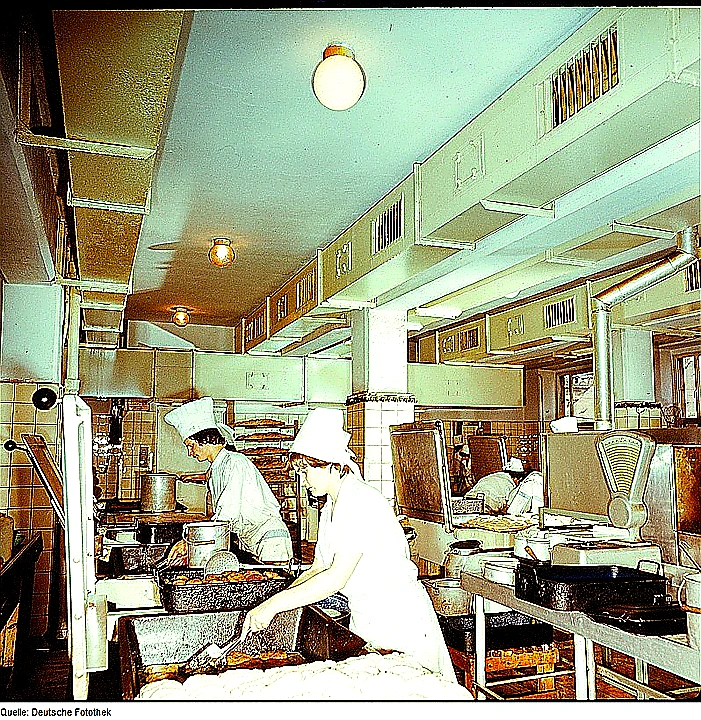
A ghost kitchen lives or dies on equipment choices. Without a dining room, every square foot must cook, chill, store, and stage food with speed and consistency. This Ghost Kitchen Equipment List: Complete Commercial Kitchen Guide helps restaurant owners, kitchen managers, chefs, and buyers build a practical lineup for refrigeration, cooking, prep, ice, and safety-without guessing at fake model numbers or prices. For more background, see Learn more about Ghost Kitchen Equipment List: Complete Commercial Kitchen Guide.
Start with menu, ticket volume, and delivery packaging, then size cold storage, cookline capacity, and prep flow around peak hours. Energy use, ventilation, grease management, and daily cleaning routines matter as much as the stainless steel itself. Use this guide as a checklist you can adapt for pizza, bowls, burgers, or multi-brand concepts sharing one kitchen.
What Belongs on a Ghost Kitchen Equipment List
A strong ghost kitchen equipment list covers five zones: cold storage, cooking, prep and holding, sanitation, and utilities that keep service safe and legal. Prioritize reliability and service access over novelty features. Delivery-only kitchens often run longer continuous hours than dine-in restaurants, so equipment that recovers temperature quickly and cleans easily reduces downtime.
Map each menu category to a station before you buy. Grill and fry items need grease control and fire suppression planning. High-volume cold assembly needs more refrigerated prep space than oven capacity. Shared multi-brand kitchens need labeled storage and separate holding tools to avoid cross-contamination and ticket mix-ups.
Capacity planning should reference peak tickets per hour, not average day volume. Undersized refrigeration or ice production shows up first as melted product, delayed bags, and wasted labor. Oversizing cookline pieces without matching hood and electrical capacity creates installation delays and higher monthly energy bills.
Menu-First Sizing Before You Shop
List every signature item, cook method, hold time, and packaging step. Note which items need simultaneous fries, sears, or oven slots during a dinner surge. That matrix tells you whether you need a second fryer basket pair, a larger combi or conveyor oven footprint, or deeper undercounter refrigeration at the make line.
Also record allergen and protein separation rules. Separate cutting boards, color-coded utensils, and dedicated cold drawers often matter more than adding another range burner when brands share a cookline.
Space, Power, and Hood Constraints
Measure clearances for doors, drawers, and service panels. Confirm available amperage, gas BTU, water lines, drains, and grease interceptor capacity before ordering high-demand pieces. Hood length and fire suppression coverage must match the cookline footprint; expanding fryers later is expensive if the hood was sized too short.
Leave aisle space for rolling racks and baggers. Delivery kitchens move carts constantly, and blocked egress or cramped dish areas create safety and sanitation violations.
Core Cooking Equipment for Delivery-Only Lines
Most ghost kitchens build around a compact cookline: fryers, griddles or charbroilers, ranges or induction, and ovens suited to the menu. Choose surfaces that recover heat after basket drops or large batch loads. For delivery, finish quality must survive packaging and transit, so even browning and predictable cook times beat flashy features.
Fryers should match oil volume to peak basket cycles. Too little oil swings temperature and greases food; too much oil increases filter labor and waste when menus change. Grills and griddles need enough flat space for staged tickets without crowding proteins into overlapping sear zones.
Ovens for pizza, roasted proteins, or rethermalizing sides should fit sheet pans you already use. Conveyor ovens help high-volume pizza and flatbread brands; combi ovens help kitchens that steam, roast, and bake in one footprint. Keep spare baskets, scrapers, and thermometer probes stocked so a broken tool does not stop service.
Fryers, Grills, and Ranges
Specify fryer vat size by simultaneous basket count and recovery needs, not by brand lore. Plan filtration schedules and a safe oil disposal path. For grills and griddles, select platen or plate size that matches protein portions and batch sizes during rush windows.
Ranges and induction wok stations need stable power and clear landing space for pans. Induction can lower ambient heat in tight ghost kitchens, which improves staff comfort and can reduce cooling load-if electrical service supports it.
Ovens and Holding for Transit Quality
Holding cabinets and heated shelves keep fries, proteins, and assembled trays at safe temperatures while runners bag orders. Match holding humidity to the product: dry heat crisps fried items better; humid heat protects steamed or braised dishes. Never use holding as a substitute for cooking capacity during peak; it only buys short staging time.
Check that packaging stations sit close to the cookline so plates do not cool while waiting for labels and seals.
Refrigeration, Freezers, and Ice Machines
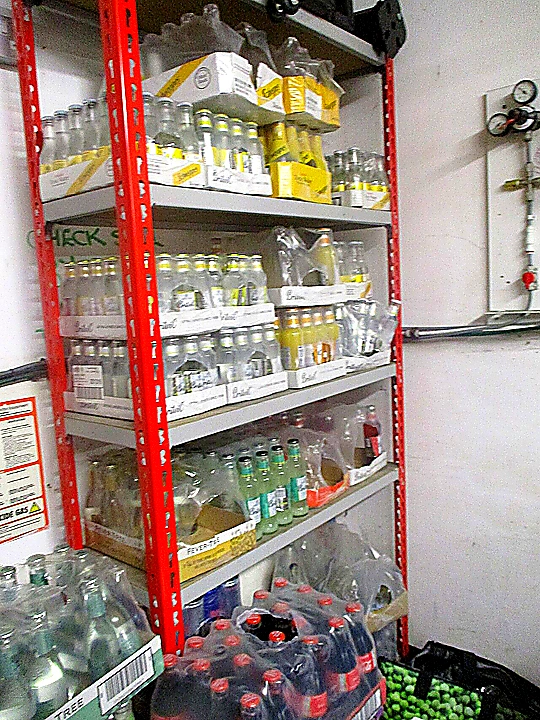
Cold storage is the backbone of any ghost kitchen equipment list. Reach-in and undercounter refrigerators support the cookline; walk-ins support bulk receiving and multi-brand inventory. Freezers protect proteins and frozen sides but should not become overflow for items that belong in active refrigeration if daily turns are high.
Prep tables with refrigerated wells keep toppings, sauces, and proteins within arm's reach. Size pans and well depth to actual mise en place, and use lids during lulls to stabilize temperatures. Door gaskets, condenser cleanliness, and airflow clearance determine whether units hold food-safe temperatures during rush openings.
Ice machines matter for beverages, cold holding aids, and some prep steps. Size production and bin storage to the hottest delivery day plus a buffer for cleaning cycles. Soft water and regular descaling extend machine life; neglected ice systems quickly become a sanitation risk.
Walk-In vs Reach-In Decisions
Choose a walk-in when bulk cases, multiple brands, or next-day prep overwhelm reach-ins. Choose more reach-ins and prep drawers when speed at the line matters more than bulk. Hybrid plans-modest walk-in plus strong undercounter support-work well for many delivery kitchens.
Label shelves by brand and day-part. FIFO dating and clear allergen zones reduce waste and ticket errors more than adding another freezer door.
Energy Use and Maintenance Habits
Keep condenser coils clean, avoid blocking vents with boxes, and repair loose door seals promptly. Set temperatures to food-code safe ranges without overcooling, which wastes energy and can freeze produce. Log temperatures at opening and mid-shift so you catch failures before product loss.
Schedule professional service for ice machines and refrigeration before peak seasons. Downtime during a delivery surge costs more than preventive maintenance.
Prep, Warewashing, Safety, and Workflow Layout
Prep equipment should shorten ticket times without creating bottlenecks at the dish pit. Plan stainless tables, cutting boards, food processors, slicers, and portion scales around your highest-volume prep lists. Separate raw protein prep from ready-to-eat assembly with distance, barriers, or timed scheduling.
Warewashing capacity must match plate and pan turnover. A three-compartment sink plus a dishwasher or high-temp machine keeps containers rotating for packaging. Ghost kitchens often underestimate dirty hotel pans during surge hours; when cleanware runs out, assembly stops even if cookline equipment is fine.
Safety gear includes fire suppression, extinguishers, first-aid kits, nonslip mats, and clear handwashing stations. Train staff on oil filtering, fryer burnout risks, and safe knife storage. Design a one-way flow from receiving to cold storage to prep to cookline to packaging to handoff so runners do not cut through hot zones.
Packaging Station Essentials
Place bagging tables near the pass with label printers, heat sealers if needed, napkin and utensil stock, and insulated bags. Bright task lighting reduces missing items. Keep allergens and sauces in labeled squeezers to speed accurate assembly.
Build a short quality check into the bagging step: temperature, lid seal, sauce count, and order sticker match. That habit protects reviews as much as any piece of cookline equipment.
Cleaning and Daily Closing Routines
Write closing checklists for fryer filtration, grill scrape-down, refrigeration wipe-downs, floor degreasing, and ice scoop sanitation. Assign ownership by station so multi-brand teams do not assume someone else cleaned a shared fryer.
Weekly deep cleans for hood filters, drains, and gaskets prevent odor complaints and health inspection findings that can shut a shared kitchen.
Frequently Asked Questions
What is the minimum ghost kitchen equipment list for a small delivery concept?
At minimum, plan refrigerated prep and storage, a cookline matched to your menu (often fryer plus griddle or oven), a holding method for bagging, a three-compartment sink or dishwasher path, handwashing, and basic fire safety. Add ice capacity if beverages or iced prep are on the menu. Scale freezers and walk-ins only after you confirm bulk inventory turns.
How do I size refrigeration for a ghost kitchen?
Size cold storage to peak receiving days and active mise en place, not just overnight holding. Undercounter and prep-table capacity should cover rush toppings without constant walk-in trips. Track wasted product and door-open time for a week; if temps rise during rush, you need more capacity or better door discipline, not just colder setpoints.
Do ghost kitchens need the same hood and fire suppression as dine-in restaurants?
Yes. Grease-producing equipment still requires proper ventilation and suppression sized to the appliances under the hood. Delivery-only status does not remove code requirements. Confirm local rules before installing fryers, charbroilers, or solid-fuel equipment, and never expand the cookline beyond covered hood length.
What equipment mistakes slow ghost kitchen ticket times the most?
Common failures include undersized fryers or ovens for peak baskets, too little refrigerated prep space, packaging stations far from the pass, and weak warewashing that empties clean pans mid-rush. Another frequent miss is skipping holding tools, which forces finished food to sit and cool while bags and labels catch up.
How should multi-brand ghost kitchens share equipment safely?
Share large pieces like fryers or ovens only with clear scheduling, labeled tools, and cleaning between brands when recipes or allergens differ. Keep separate cold drawers or labeled pan sets for proprietary toppings. Written station maps and color coding reduce mix-ups more effectively than verbal agreements during peak.
What maintenance habits protect ghost kitchen equipment investments?
Clean refrigeration condensers, filter fryer oil on schedule, descale ice machines, and inspect door gaskets monthly. Log temperatures twice daily and call service at the first recovery problem. Preventive care costs less than lost delivery volume during a weekend outage.
Conclusion
A practical Ghost Kitchen Equipment List: Complete Commercial Kitchen Guide starts with menu volume, then aligns cookline, cold storage, ice, prep, packaging, and sanitation to that demand. When you size for peak tickets, protect airflow and power capacity, and build cleaning into daily workflow, equipment stays productive instead of becoming a bottleneck.
Use this checklist to audit your current setup or plan a new delivery kitchen with Restaurant Equipment Guides. Prioritize serviceable, food-safe workhorses, document station ownership, and recheck capacity after your first busy month so the lineup grows with real order data-not guesswork.
Looking for a ready-to-order option? Explore this Ghost Kitchen Equipment List: Complete Commercial Kitchen Guide on The Horeca Store.
Compare commercial kitchen equipment and restaurant supplies at The Horeca Store.
Related Guides
- Hotel Kitchen Equipment List: Complete Commercial Kitchen Guide
- Restaurant Equipment List: Complete Commercial Kitchen Checklist
- Food Truck Equipment List: Complete Mobile Kitchen Setup


Comments
Post a Comment