Hotel equipment / supplies - A Practical Guide for Restaurant Operators
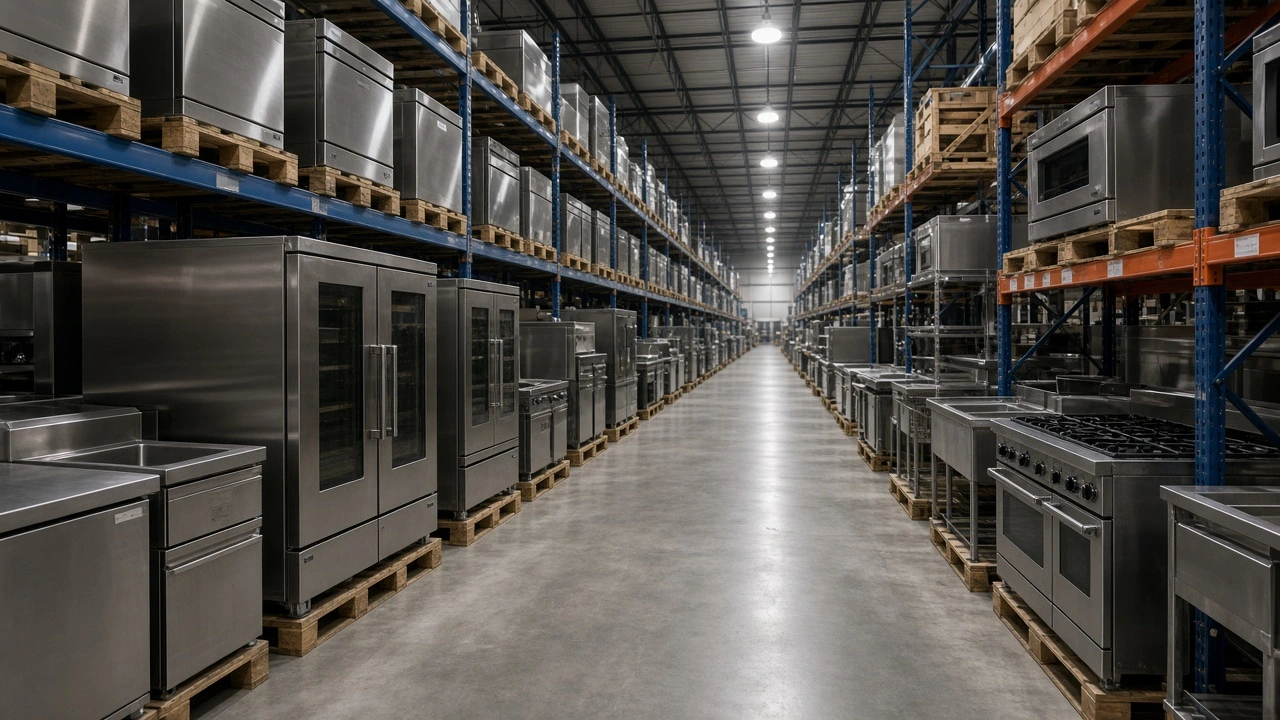
If you searched hotel equipment / supplies, you need a working definition you can take into a lease, a schedule, or a menu meeting. This guide walks through how a sports-bar kitchen in Nashville should use hotel equipment / supplies before money goes out the door.
Restaurant partners often use the same words and different math. Prime cost, yield, trade area, and a "good location" only help when everyone can recompute the number from invoices, tickets, and a site walk.
A practical way to use hotel equipment / supplies
Searches for hotel equipment / supplies usually mean an operator is trying to reduce uncertainty: where to open, how to cost, or how to plan. Treat the topic as a decision with inputs, not as trivia.
Ground the work in a real sports-bar kitchen and a real Nashville trade area. Generic advice becomes useful the moment it is forced to survive a lease, a labor schedule, and a menu.
When hotel equipment / supplies has to survive a bank conversation, follow the same structure as the SBA guide to writing a business plan: concept, market, operations, and cash a sports-bar kitchen can actually run in Nashville.
A working method you can finish this week
Write the decision in one sentence. List the five inputs that would change your mind. Pull those inputs from POS, invoices, a site walk, and public data. Then choose: proceed, renegotiate, or stop. Hotel equipment / supplies is done when a calendar date has an answer, not when the folder is full of PDFs.
Most teams researching hotel equipment / supplies also have to settle yanco plates in the same week, because rent, recipes, and labor only work as one P&L.
Industry operating patterns that sit next to hotel equipment / supplies-traffic, labor, and guest spend-are updated in National Restaurant Association research. Borrow the trend, then plug in Nashville actuals for the sports-bar kitchen.
Mistakes that quietly sink the plan
• Using a national average for hotel equipment / supplies as if it were a Nashville forecast.
• Signing occupancy before the kitchen, hood, and grease path are feasible.
• Forecasting sales from peak-hour site visits only.
• Hiding labor or food cost in the wrong P&L bucket so the model looks healthy.
• Treating a heat map or a name generator as a substitute for a walk at opening and closing hours.
If the next blocker is hotels with fridge and microwave, solve it on the same scorecard as hotel equipment / supplies instead of opening a second, conflicting plan.
A 30-day implementation checklist
Days 1-7: write the definition your team will use for hotel equipment / supplies and collect last month's actuals. Days 8-14: walk the Nashville site or kitchen at two dayparts and photograph constraints. Days 15-21: build the one-page model and stress-test a slow week. Days 22-30: decide, assign an owner, and schedule the first review after opening or after the next delivery cycle.
A quick Nashville snapshot for hotel equipment / supplies-firms, employees, and nearby industries-is easier to pull from Census Business Builder than from a stack of unmatched PDFs.
Print the checklist next to the office desk, not only in a shared drive. A sports-bar kitchen improves hotel equipment / supplies only when the closer, the chef, and the person who signs checks are looking at the same definition.
Final takeaway
Hotel equipment / supplies only pays off when it changes a lease, a schedule, or a recipe. Define it, run the math on a real sports-bar kitchen, walk the Nashville reality, and keep the working notes next to hotel equipment / supplies so the team is not arguing from three different versions.
Frequently asked questions
Q: When do I need a consultant versus a software tool?
A: Use software to assemble evidence faster. Use a consultant when code, kitchen engineering, or a high-stakes lease needs a licensed or experienced second set of eyes.
Q: Can I copy another brand's approach to hotel equipment / supplies?
A: You can copy the process, not the numbers. Their Nashville rent, wages, and brand awareness are not yours.
Q: Is hotel equipment / supplies the same in every restaurant?
A: No. A sports-bar kitchen will not use the same targets, trade area, or equipment list as a hotel restaurant. Always localize to sales mix and the Nashville labor and occupancy market.
Q: What should I do first after reading about hotel equipment / supplies?
A: Write a one-page brief: the decision, the inputs you have, the inputs you still need, and the date you will decide. Then collect only those inputs.
Document assumptions for hotel equipment / supplies in a shared folder: sources, dates, and the person who owns the next update. Institutional memory is part of restaurant ROI.
Seasonality in Nashville will stress any plan built only on a site-tour Saturday. Re-run hotel equipment / supplies against a slow month before you treat the plan as final.
If hotel equipment / supplies affects a lease or a loan, keep a conservative case and a target case. Partners should see both, not only the pitch deck.
Train at least two people on the operating habit behind hotel equipment / supplies. Owner-only knowledge disappears on the first vacation.
Revisit hotel equipment / supplies 30 days after opening with real tickets, real labor, and real invoices. Planning numbers that never meet actuals become folklore.
A sports-bar kitchen should connect hotel equipment / supplies to one weekly meeting: what changed, what we will try, and what we will stop doing.
Vendors related to hotel equipment / supplies should be scored on whether they change a decision this month. Demos that only produce prettier charts can wait.
Build a short glossary for your team so hotel equipment / supplies is not redefined in every shift meeting. Shared language speeds hiring and vendor calls.
If two candidate approaches to hotel equipment / supplies produce the same guest outcome at lower risk, choose the simpler one. Complexity is a hidden labor cost.
Keep a physical or photo log of the Nashville site, kitchen, or competitor set you used while researching hotel equipment / supplies. Future you will not remember which corner you actually walked.
Translate hotel equipment / supplies into one owner metric and one manager metric. Owners watch cash and occupancy; managers watch ticket time, waste, and staffing against the same sports-bar kitchen plan.
If a landlord, lender, or partner asks for hotel equipment / supplies in 24 hours, send the one-page version: definition, three numbers, and the open risk. Long decks delay decisions.
After you publish internal notes on hotel equipment / supplies, schedule a 20-minute review with whoever writes the checks. Agreement in the Google Doc is not the same as agreement on the lease.
Operators researching hotel equipment / supplies should keep a simple evidence file: one PDF of public data, one sheet of internal actuals, and dated photos from the Nashville walk. That file beats a long slide deck when a landlord or partner asks "why this number?"
If hotel equipment / supplies is used in hiring, write it into the manager scorecard. New leaders should inherit the same targets a sports-bar kitchen already agreed, not invent a friendlier version during the first busy Friday.


Comments
Post a Comment