Hotel Kitchen Equipment List: Complete Guide
Hotel Kitchen Equipment List: Complete Commercial Kitchen Guide
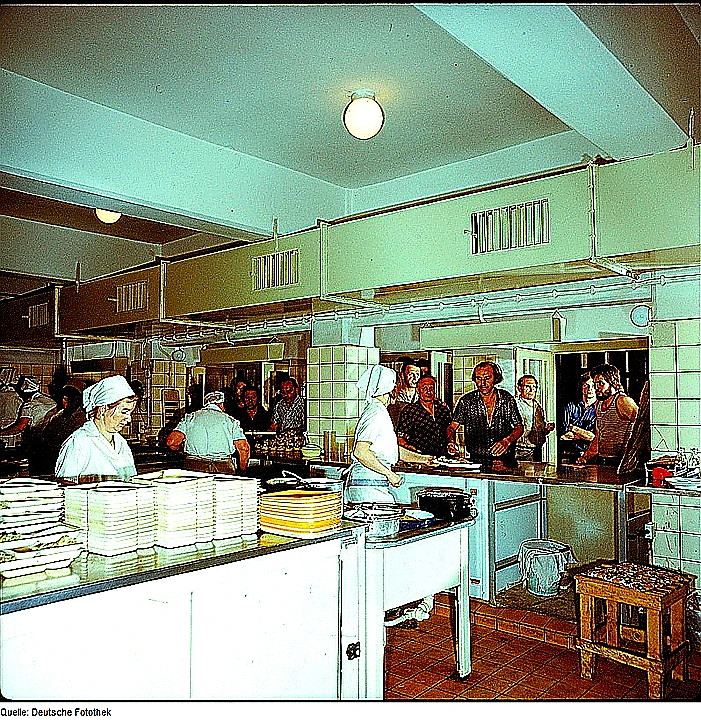
Planning a hotel kitchen is different from fitting out a small café. Guests expect room service, banquet service, and à la carte menus that run at the same time, often across breakfast, lunch, dinner, and late-night demand. A clear hotel kitchen equipment list: complete commercial kitchen guide helps owners, kitchen managers, chefs, and buyers match capacity to real workflow instead of buying oversized machines that waste energy or undersized units that create bottlenecks. For more background, see Learn more about Hotel Kitchen Equipment List: Complete Commercial Kitchen Guide.
This guide walks through core categories-refrigeration, freezers, ice machines, fryers, ovens, grills, and prep equipment-plus how those pieces fit into hotel and restaurant kitchen setups. You will find practical notes on sizing, energy use, maintenance, and safety so you can compare options with confidence and build a list that supports consistent food quality and faster ticket times.
How to Build a Practical Hotel Kitchen Equipment List
Start with menu volume and service style before you shop for stainless steel. Estimate peak covers for the restaurant, banquet peaks for events, and room-service spikes on weekends. Note which stations must run simultaneously: breakfast pastry and eggs, lunch sandwiches and salads, dinner grilling and plating, plus banquet plating that may need holding equipment. Those patterns drive refrigeration cubic footage, cookline BTU or kW load, and ice production more accurately than square footage alone.
Map the flow from receiving to storage, prep, cook, pass, and warewashing. Cross-traffic between dirty dish return and raw protein prep raises contamination risk and slows service. Place cold storage near the cookline for proteins and sauces, keep dry storage away from heat and steam, and leave clear aisle width for carts and sheet pans. A hotel kitchen equipment list should also include landing tables, undercounter drawers, and holding cabinets so hot and cold food do not sit unprotected during rush periods.
Budget for utility readiness early. Confirm gas, electrical panels, water filtration for ice and steam, grease interceptor capacity, and ventilation hood lengths before ordering heavy equipment. Energy-efficient refrigeration and cooking equipment can lower monthly utility spend, but only if doors seal well, coils stay clean, and staff follow opening and closing checks. Safety planning belongs on the same list: fire suppression under hoods, non-slip flooring near fryers, and clear egress paths around hot equipment.
Sizing Capacity Without Guesswork
Translate covers into storage and cook capacity with simple planning ratios. Many hotel kitchens plan roughly one to one and a half cubic feet of refrigerated space per seat for restaurant service, then add dedicated banquet and room-service cold holding. For ice, estimate pounds per guest for restaurants, then add banquet beverage demand and room ice if you refill bins floor by floor. For fryers and ovens, size to the busiest thirty-minute window, not average daily volume, so recovery time does not collapse during peaks.
Leave headroom for menu growth and seasonal events without jumping to the largest unit available. Oversized walk-ins that run half empty still consume energy and invite poor rotation. Undersized ice machines force emergency bagged ice purchases and temperature abuse. Aim for equipment that recovers quickly, has serviceable parts, and fits your hood and utility footprint.
Workflow and Station Layout Priorities
Group hot equipment under one continuous hood when possible to simplify makeup air and fire suppression. Keep fryers away from open flames that can flare grease, and give grill and range stations landing space for plated tickets. Prep stations for produce and protein should stay separated with dedicated cutting boards, sinks, and refrigeration to support food safety codes and brand standards.
Core Refrigeration, Freezers, and Ice Machines
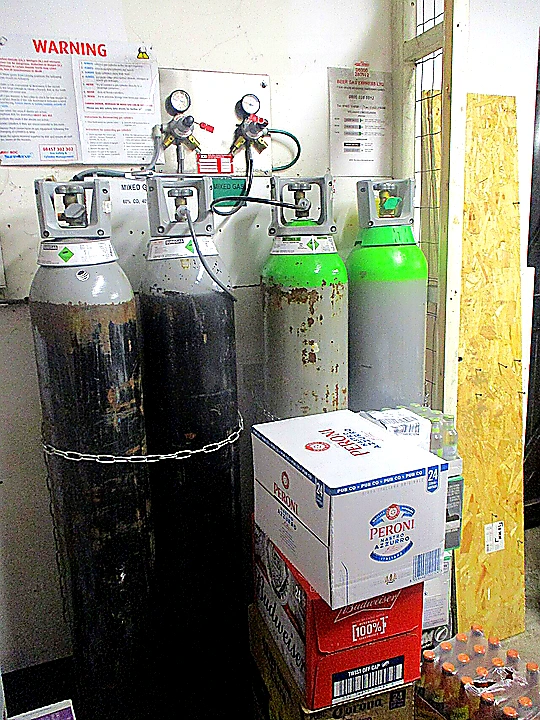
Commercial refrigeration is the backbone of any hotel kitchen equipment list. Reach-in refrigerators support day storage near the line, while walk-in coolers handle bulk receiving, dairy, produce, and banquet staging. Choose solid doors for energy control in back-of-house storage and glass doors only where visibility speeds picking without constant opening. Look for strong door gaskets, accessible condenser coils, and digital temperature monitoring that logistics or engineering can check remotely during overnight hours.
Freezers should match your freezing strategy. Hotels that buy frozen proteins and desserts in volume need reliable walk-in freezer capacity with clear racking and FIFO labeling. Blast chillers or shock freezers help banquet kitchens cool large batches safely for later retherm, which reduces waste and supports cook-chill workflows. Keep freezer evaporators free of ice buildup; high frost load often signals door seals, humidity, or defrost schedule problems rather than a need for more cubic feet.
Ice machines deserve their own line item because beverage, banquet, and guest-floor demand vary widely. Cubers serve restaurants and bars; flakers or nugget ice suit blended drinks and healthcare-adjacent guest services; larger cube styles hold longer in banquet dispensers. Size by pounds produced per day and by bin capacity so night audits still leave enough ice for breakfast service. Install water filtration rated for your hardness and chlorine levels, schedule scale cleaning, and keep the machine away from grease-laden air that shortens compressor life.
Energy Use and Temperature Discipline
Set refrigerators and freezers to code-compliant holding ranges and verify with calibrated thermometers, not display guesses alone. Minimize door openings during prep rushes by staging mise en place in drawers or rail units designed for the line. Clean condenser coils on a calendar, not only when temperatures drift, and keep walk-in fans unobstructed so cold air circulates across product, not empty corners.
Energy Star or equivalent high-efficiency units help when doors are opened frequently, but staff habits matter more than a sticker. Train teams to close doors fully, rotate product so cold air is not blocked by overstocked shelves, and report soft gaskets immediately. Small leaks raise compressor run time and can warm the cookline ambient temperature, which then stresses nearby refrigeration.
Cooking Line Essentials: Fryers, Ovens, and Grills
The cookline converts storage and prep into plated revenue, so fryers, ovens, and grills must match menu heat and recovery needs. Commercial fryers are common for appetizers, fries, and fried proteins; choose vat size based on basket load and recovery speed rather than marketing labels. Oil filtration extends oil life, improves taste, and reduces waste disposal cost. Keep fryers under proper hood coverage, train staff on burn prevention, and schedule boil-outs or manufacturer-approved cleaning so sediment does not scorch oil and fill the kitchen with smoke.
Ovens for hotels often include convection ovens for banquets, combi ovens for flexible steam and dry heat, and deck or conveyor options where pizza or flatbread is a signature item. Combi ovens can reduce the need for separate steamers when menus rely on vegetables, proteins, and retherm of chilled banquet items. Confirm water quality requirements for steam generators and plan descaling. Convection ovens need even rack spacing and accurate thermostats; overcrowding drops browning quality and extends cook times during large events.
Grills and charbroilers deliver the sear guests associate with steaks and burgers, while flat-top griddles handle breakfast eggs, pancakes, and high-volume sandwiches. Balance open flame or radiant heat with ventilation capacity and grease management. Leave adjacent landing and cutting space so cooks are not plating over hot grates. For mixed hotel restaurants, a compact grill paired with a strong flat top often covers more dayparts than a second grill that sits idle outside dinner.
Matching Heat Equipment to Dayparts
Breakfast favors griddles, steam, and oven capacity for bakestones and hot cereals. Lunch may lean on fryers, sandwich presses, and rapid ovens. Dinner needs grill recovery and oven space for finishing. Banquets pull holding cabinets, plated retherm, and large oven capacity. Build your hotel kitchen equipment list around the heaviest overlapping dayparts rather than averaging them into one vague heat load.
Maintenance and Safety on the Hot Line
Schedule hood filter cleaning, fire-suppression inspections, and gas leak checks according to local code and insurer requirements. Keep fryer lids, oven door seals, and grill scrapers in daily use so carbon and grease do not become fire fuel. Provide heat-resistant gloves, splash awareness training, and clear spill response near oil and open flame. Equipment that cannot be cleaned safely will not stay safe.
Prep Equipment and Category Kitchen Setups
Prep equipment turns raw receiving into cook-ready mise en place. Essential pieces include prep tables with poly or stainless tops, food processors, slicers, mixers for bakery or sauce work, immersion blenders, and refrigerated prep rails for pizza or salad stations. Choose cutter and slicer capacity for your peak prep window, and budget for blade sharpening and guard integrity. Undercounter refrigeration under prep tables keeps proteins and produce at safe temperatures without constant trips to the walk-in.
Category kitchen setups change the list. A hotel steakhouse needs stronger grill and broiler capacity, steak knives, and meat holding. A bakery-café outlet needs deck or convection baking, proofers, and display refrigeration. Banquet kitchens emphasize combi ovens, blast chillers, plated holding, and large mixing capacity. Room-service kitchens need compact cook surfaces, packaging stations, and hot-cold bag staging near elevators. Use one master hotel kitchen equipment list: complete commercial kitchen guide framework, then tailor station kits to each outlet so you do not overbuy specialty gear for a single daypart.
Warewashing, sinks, and sanitation gear belong on the same plan even when buyers focus on shiny cooklines. Three-compartment sinks, hand sinks at each major station, high-temp or chemical dishwashers, and adequate dish landing space protect food safety and labor. Without them, prep and cook equipment cannot run at full speed because dirty pans pile up. Include shelving, cambros, sheet pans, and labeled containers so storage systems support FIFO and allergen separation.
Buying Checklist for Managers and Chefs
Confirm voltage, phase, gas type, water connections, and door swing before signing quotes. Ask vendors about lead times, warranty coverage, and local service technicians. Compare energy use, recovery rates, and cleanability side by side. Prefer equipment your team already knows how to operate safely, or plan training before opening day. Finally, document serial numbers, filter schedules, and spare gasket or filter stock so engineering can keep uptime high during peak season.
Putting the Full List Together for Buyers
A complete commercial kitchen guide for hotels should read like a procurement roadmap, not a catalog dump. Group items by receiving and storage, prep, cookline, holding and service, ice and beverage, and warewashing. For each line, note quantity, preferred size or capacity range, utility needs, and whether the item is critical path for opening. That structure helps restaurant owners and buyers negotiate packages, phase purchases, and avoid last-minute gaps that force expensive rentals.
Revisit the list after menu finalization and after a mock service or soft opening. Equipment that looked essential on paper may sit unused, while a missing undercounter freezer or second ice bin becomes the daily pain point. Track energy bills and service calls in the first quarter; patterns often reveal door seal issues, undersized ice production, or fryer oil practices that need training more than new hardware. Treat the hotel kitchen equipment list as a living document tied to covers, banquet calendar, and maintenance reality.
What Success Looks Like After Install
Success means tickets move without cooks waiting on cold storage or ice, temperatures stay in range under load, and cleaning can be finished on schedule. Guests get consistent quality across restaurant, banquet, and room service. Staff can explain how each major station works, and engineering can service units without tearing out half the line. That is the practical outcome this complete commercial kitchen guide is built to support.
Frequently Asked Questions
What should be on a hotel kitchen equipment list first?
Start with cold storage, ice production, cookline heat under proper ventilation, prep tables with refrigeration, and warewashing. Those categories protect food safety and throughput. Specialty items come after you confirm menu volume and banquet demand.
How much refrigeration does a hotel kitchen usually need?
Needs vary by covers, banquet volume, and purchasing style. Plan restaurant seating plus banquet staging, then add reach-ins for the cookline. Verify with your peak receiving and holding patterns rather than copying another property's walk-in size.
Are combi ovens worth it for hotel banquet kitchens?
Often yes when you retherm chilled food, steam vegetables, and roast proteins in one footprint. They can replace some separate steamers if water quality and descaling are managed. Confirm training and spare parts access before you rely on them for large events.
How do I size a commercial ice machine for a hotel?
Estimate restaurant and bar pounds per guest, add banquet beverage demand, and include guest-floor ice if you refill bins. Choose production capacity and bin storage for your busiest day, then add filtration and a cleaning schedule so scale and biofilm do not cut output.
What safety items belong on a commercial kitchen equipment list?
Include hood and fire suppression readiness, grease management near fryers and grills, hand sinks, non-slip practices in wet zones, and temperature monitoring for cold holding. Training and maintenance schedules are as important as the equipment itself for reducing burns, fires, and foodborne risk.
Conclusion
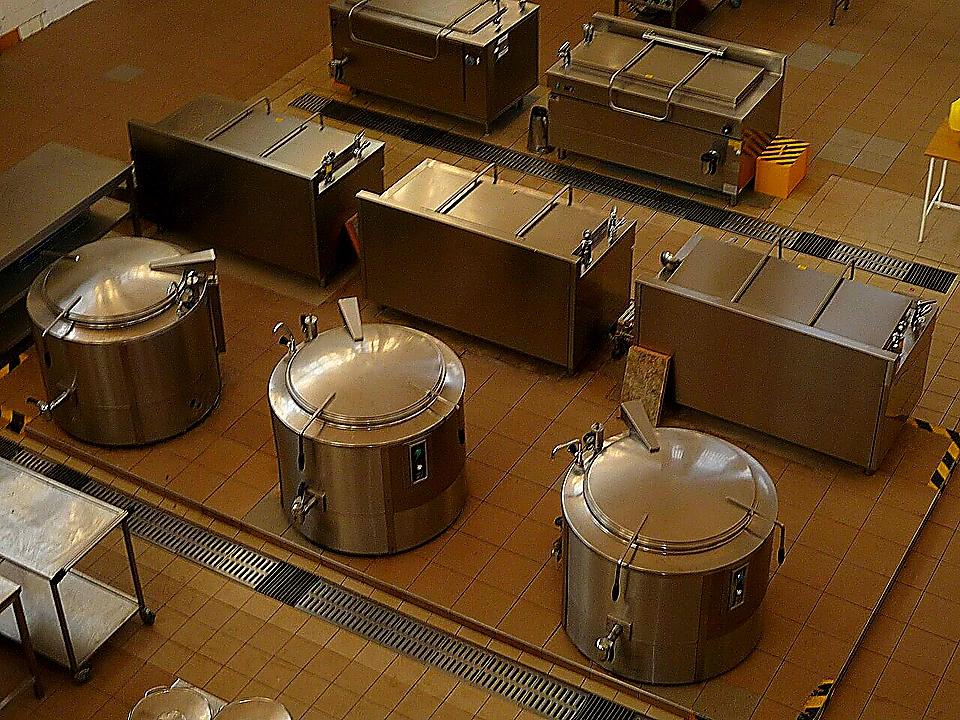
A strong hotel kitchen equipment list: complete commercial kitchen guide balances storage, ice, cookline heat, prep capacity, and sanitation with the real rhythms of hotel service. When you size for peak windows, protect workflow, and plan energy and maintenance from day one, you buy fewer emergency fixes and serve more consistent food across outlets.
Use this framework from Restaurant Equipment Guides to compare refrigeration, freezers, ice machines, fryers, ovens, grills, and prep setups with your chefs and buyers. Finalize utilities, confirm service support, and refine the list after soft opening so your commercial kitchen stays ready for every daypart and banquet.
Looking for a ready-to-order option? Explore this Hotel Kitchen Equipment List: Complete Commercial Kitchen Guide on The Horeca Store.
Compare commercial kitchen equipment and restaurant supplies at The Horeca Store.
Related Guides
- Ghost Kitchen Equipment List: Complete Commercial Kitchen Guide
- Food Truck Equipment List: Complete Mobile Kitchen Setup
- How to Choose Commercial Cooking Equipment for a Small Kitchen


Comments
Post a Comment