How to Choose Commercial Cooking Equipment for a Small Kitchen
How to Choose Commercial Cooking Equipment for a Small Kitchen
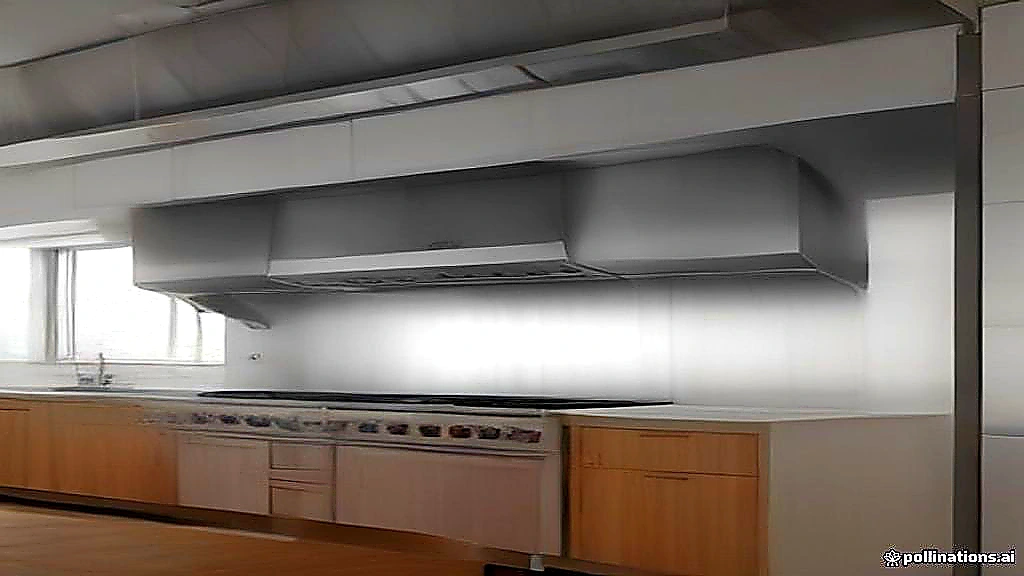
Choosing the right gear for a tight cook line can make or break service. When you learn how to choose commercial cooking equipment for a small kitchen, you protect ticket times, food quality, and your utility bills without crowding staff into unsafe corners. For more background, see Learn more about How to Choose Commercial Cooking Equipment for a Small Kitchen.
Restaurant owners, kitchen managers, and chefs face the same puzzle: limited square footage, strict health codes, and a menu that still has to deliver. The smart path is not buying the biggest fryer or oven you can find-it is matching capacity, footprint, and workflow to real demand.
This Restaurant Equipment Guides walkthrough covers sizing, refrigeration and cooking station layout, energy and maintenance realities, and safety checks so you can compare options with confidence before you buy.
Map Menu Demand Before You Measure Floor Space
Start with the menu, not the catalog. List every high-volume item by daypart and note which stations touch it: flat top, fryer, range, oven, steamer, or cold prep. Peak hour volume tells you whether you need a single-basket fryer, a compact combi, or a dual-purpose griddle that can handle breakfast and lunch without a second appliance.
Translate volume into capacity targets. If lunch peaks at eighty covers and fries appear on half of those plates, your fry station must recover oil temperature between baskets without stacking tickets. If roasting is secondary, a half-size convection oven or deck oven may beat a full-size unit that wastes heat and aisle space.
Also flag items you can prep ahead or finish elsewhere. Batch sauces on a range during slow periods, hold them safely, and free the cook line for a la carte work. That planning often removes the need for an extra range burner or a second steamer in a compact kitchen.
Turn covers into equipment capacity
Estimate peak thirty-minute demand for each station, then size equipment so recovery time stays short under that load. Undersized fryers and underpowered griddles create bottlenecks that no amount of staffing can fix in a narrow aisle.
Build a simple capacity sheet: item, station, peak units per hour, and preferred equipment type. Share it with vendors so quotes reflect real throughput, not showroom defaults.
Protect flexibility for menu changes
Choose modular pieces when your concept may shift. A countertop induction unit, a small conveyor toaster, or a half-size oven can absorb seasonal specials without a full line remodel.
Avoid locking every linear foot into single-use machines until the menu is stable for at least a full quarter of sales data.
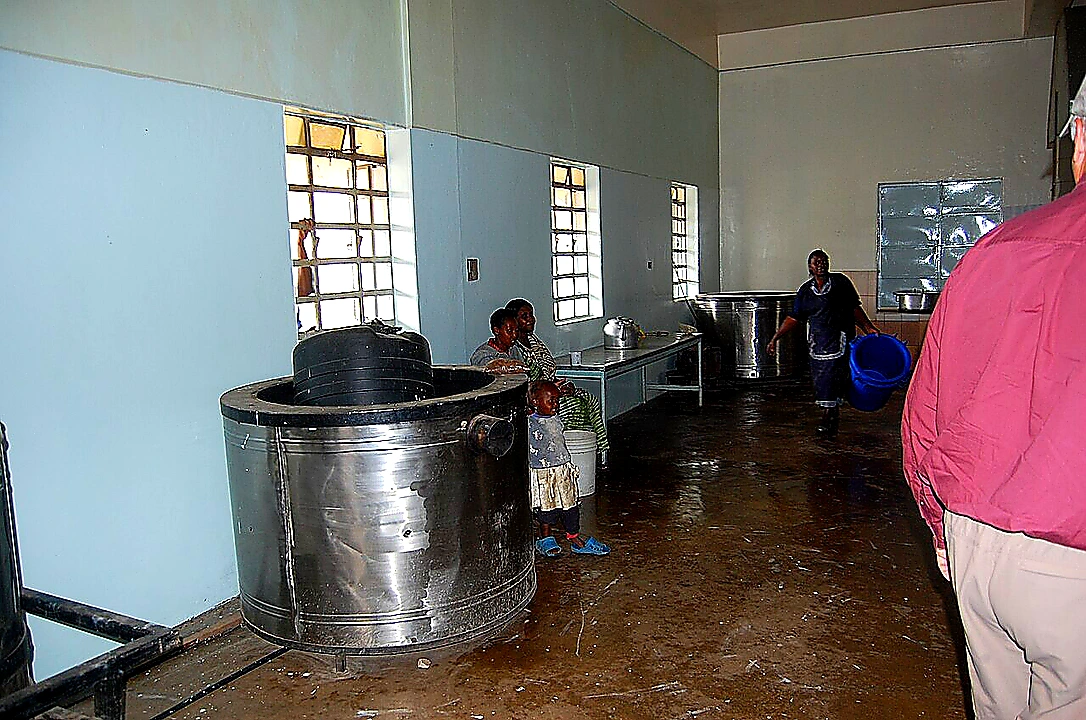
Prioritize Footprint, Clearances, and Cook-Line Flow
In a small kitchen, inches matter as much as BTUs. Measure the cook line, pass, and dish drop with tape, not estimates. Include door swings for ovens and refrigerators, pull-out fryer filter access, and the space needed to open undercounter drawers while someone walks past with a hotel pan.
Health and fire codes require clearances behind fryers, ranges, and open-flame equipment, plus landing space beside hot surfaces. A unit that fits the width of a bay may still fail inspection if it crowds the hood or blocks an egress path. Confirm hood coverage, grease capture, and make-up air before you order anything that generates heavy smoke or steam.
Design workflow as a one-way path: cold storage to prep to cook to pass. Crossing traffic between dish and cook lines slows service and raises spill risk. Place high-use tools within a half-step of the primary cook whenever possible, and keep rarely used appliances on secondary counters or in storage until needed.
Undercounter and stackable strategies
Undercounter refrigeration, freezer drawers, and ice bins under prep tables reclaim floor area that a reach-in would consume. Stack a microwave or holding cabinet above a worktable only if heat, steam, and weight ratings allow it and ventilation remains clear.
Countertop fryers, induction cooktops, and compact charbroilers can fill gaps under an existing hood when floor models would force a costly remodel-verify hood CFM and fire-suppression coverage first.
Aisle width and safety zones
Aim for aisles wide enough for two people with pans to pass without turning sideways. Keep landing zones on both sides of fryers and ranges so hot oil and pans never hover over walking paths.
Mark fire extinguisher and Ansul pull stations so new equipment never hides them behind doors or tall stacks.
Match Cooking, Prep, and Cold Storage to a Compact Line
Cooking equipment should cover your heat methods without duplication. A six-burner range with an oven base can replace a separate stockpot burner and a small deck oven for many cafés. A flat-top griddle often outperforms a cluttered mix of skillets for breakfast and smash-style items. For fried menus, a floor fryer with solid temperature recovery usually beats two weak countertop units that compete for the same hood slot.
Ovens deserve special scrutiny in tight rooms. Combi ovens can roast, steam, and retherm in one footprint, which helps bakeries-in-a-restaurant and high-volume protein programs. If your menu is pizza-forward, a compact deck or conveyor sized to your peak pie rate is better than an oversized unit that sits idle and radiates heat into an already warm kitchen.
Prep and cold storage close the loop. A prep table with refrigerated rails keeps mise en place at the cook's elbow. Reach-ins belong near the line for raw proteins and backup pans; walk-ins, if you have one, should feed prep rather than force cooks to leave the line mid-ticket. Ice machines need drain access, air clearance, and a location that does not dump heat onto the cook line or into a cramped dish area.
Refrigeration and freezer choices for small kitchens
Choose cabinet sizes by door openings per hour, not by empty cubic feet. Frequent access favors solid-door undercounters and prep tables with strong gasket integrity. Glass doors help merchandising in front-of-house, but they are rarely ideal on a hot cook line.
Separate raw and ready-to-eat storage vertically and by door when possible. In limited space, labeled shelving and color-coded pans matter as much as another cubic foot of capacity.
Fryers, grills, and ovens without overbuying
Right-size oil capacity to your busiest hour so you are not filtering cold oil from an oversized vat. For grills and broilers, match grate area to peak protein tickets and confirm grease management fits your hood schedule.
When comparing ovens, look at usable rack space, heat-up time, and whether steam injection or humidity control actually supports your menu-not feature lists that sound impressive but stay unused.
Weigh Energy Use, Maintenance, and Total Cost of Ownership
Purchase price is only the opening bid. Energy use, filter changes, oil life, refrigerant service, and downtime decide whether a compact kitchen stays profitable. ENERGY STAR rated fryers, steamers, and refrigerators often pay back through lower utilities and less heat dumped into a small room that your HVAC must fight.
Gas versus electric depends on your infrastructure. Electric induction can be precise and cooler to work around, which helps tight lines, but it needs adequate electrical service. Gas ranges and fryers demand correct gas supply, ventilation, and combustion air. Never assume an old bay can accept a higher-BTU unit without a utility check.
Build a maintenance calendar before opening day: daily fryer filtration, weekly coil cleaning on refrigeration, gasket inspection, hood filter cleaning per local code, and descaling for steam equipment. Small kitchens suffer faster when one piece fails because there is no spare station to absorb the load. Prefer equipment with accessible panels, common filter sizes, and local parts support.
Heat load and staff comfort
Every extra kilowatt or BTU on the line raises ambient temperature. Hotter kitchens slow staff, increase beverage costs, and stress refrigeration. Choosing efficient, well-ventilated equipment is a labor and food-safety decision, not only a utility one.
If the line runs hot, prioritize induction, lids on pots, and holding cabinets that seal well so you are not reheating the entire room.
Service access in tight footprints
Leave manufacturer-required clearances for compressors and control panels. A fridge jammed against a wall may short-cycle and fail early. Confirm that service techs can pull a fryer or oven for cleaning without dismantling half the line.
Keep manuals, warranty dates, and filter SKUs in one binder so managers can reorder parts quickly between services.
Safety, Compliance, and Buying Checklist
Commercial cooking equipment must meet NSF or equivalent sanitation standards for food contact, and cooking appliances generally need appropriate listings for commercial use. Confirm fire-suppression coverage for fryers and open-flame equipment under your hood system. Train staff on oil handling, burn prevention, and lockout procedures before the first rush.
Electrical and plumbing details sink many small-kitchen installs. Verify plug types, hardwire needs, dedicated circuits, floor drains, and water filtration for ice machines and steamers. Soft water and filtration protect heating elements and ice quality; skipping them can void warranties.
Use a final buying checklist: menu capacity match, measured footprint with clearances, hood and utility readiness, energy and maintenance plan, warranty terms, and lead time for delivery and install. Walk the empty line with painter's tape outlines of each unit before you sign a purchase order. That simple step prevents the most common small-kitchen mistake-ordering gear that technically fits the room but not the way people move.
What to ask vendors before you buy
Ask for recovery time data at realistic loads, clearances, utility drawings, and recommended cleaning products. Request references from operators with similar covers-per-day and kitchen size.
Clarify what the warranty covers for labor in your city and how quickly replacement parts typically ship for that brand.
Frequently Asked Questions
How do I choose commercial cooking equipment for a small kitchen without overspending?
Size each station to peak half-hour demand, not to a wish-list menu. Prefer dual-purpose pieces such as a range with oven base or a combi that replaces multiple single-use machines, and invest first in reliable refrigeration and the one heat method that drives most tickets.
What cooking equipment is essential in a compact restaurant kitchen?
Most small kitchens need dependable cold storage, a primary heat source matched to the menu (range, griddle, fryer, or oven), a prep surface with refrigeration if you run assembly items, and adequate holding or plating space. Add specialty units only after those cores handle peak service smoothly.
Should I buy undercounter refrigerators or a reach-in for a small line?
Undercounter units and refrigerated prep tables usually win when aisle space is scarce and cooks need frequent access. Use a reach-in for backup storage near prep if door openings are fewer and you can keep clearances for the compressor.
How important is hood capacity when adding fryers or grills?
Critical. Fryers, charbroilers, and heavy ranges must sit under a hood rated for the grease and heat load, with fire suppression covering the appliances. Adding equipment beyond hood capacity can fail inspection and create unsafe smoke and grease conditions.
What energy factors matter most for small commercial kitchens?
Look at recovery efficiency for fryers and ovens, insulation and door seals on refrigeration, and how much heat equipment dumps into the room. Efficient gear lowers utility bills and reduces HVAC strain, which is especially costly in tight cook spaces.
How can I keep a small kitchen safe with commercial cooking equipment?
Maintain clear aisles and landing zones, follow clearance and listing requirements, keep extinguishers and suppression pulls accessible, and train staff on oil, steam, and burn hazards. Schedule filtration, coil cleaning, and hood maintenance so equipment does not become a fire or food-safety risk.
Conclusion
Learning how to choose commercial cooking equipment for a small kitchen comes down to honest capacity planning, measured footprints, and total cost of ownership-not the flashiest floor model. Match heat and cold storage to your real menu, protect workflow and clearances, and buy only what your hood, utilities, and staff can support through peak hours.
When you are ready to compare categories, use Restaurant Equipment Guides to review refrigeration, fryers, ovens, grills, and prep setups side by side, then walk your taped layout once more before you purchase. A disciplined shortlist today prevents crowded lines and costly swaps tomorrow.
Looking for a ready-to-order option? Explore this How to Choose Commercial Cooking Equipment for a Small Kitchen on The Horeca Store.
Compare commercial kitchen equipment and restaurant supplies at The Horeca Store.
Related Guides
- How to Choose Commercial Kitchen Equipment for a Restaurant
- Hotel Kitchen Equipment List: Complete Commercial Kitchen Guide
- Commercial Cooking Equipment


Comments
Post a Comment