How to Choose the Right Equipment for a Small Restaurant
How to Choose the Right Equipment for a Small Restaurant
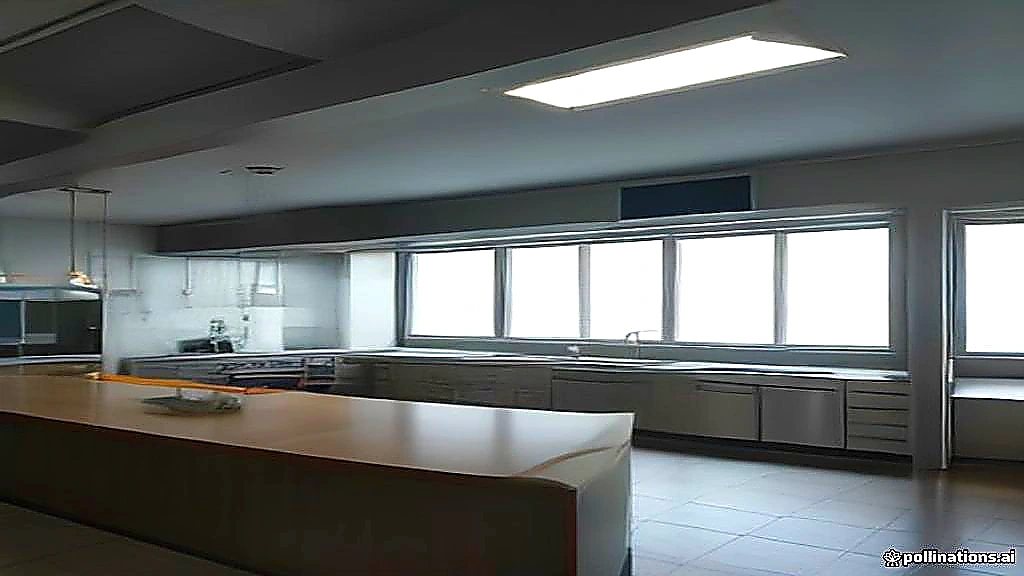
Choosing gear for a compact kitchen is one of the highest-stakes decisions a new or growing restaurant will make. The wrong fryer, underpowered refrigeration, or an oven that does not match your menu can waste money, slow service, and create safety headaches. Learning how to choose the right equipment for a small restaurant means matching capacity, footprint, and utilities to real daily volume-not catalog wish lists. For more background, see Learn more about How to Choose the Right Equipment for a Small Restaurant.
This guide is written for owners, kitchen managers, chefs, and buyers comparing commercial refrigeration, freezers, ice machines, fryers, ovens, grills, and prep equipment. You will get practical criteria for sizing, workflow layout, energy use, maintenance, and safety so every purchase supports speed, food quality, and a cleaner ticket times.
Use it as a checklist before you order: define the menu and peak covers first, then buy only what your line can power, vent, and service without crowding the cook and the dish pit.
Start With Menu, Volume, and Kitchen Constraints
Before you compare brands or finishes, write down what you cook most, how many covers you serve at peak, and how many hours the kitchen runs. A brunch-heavy café needs different refrigeration and griddle capacity than a dinner-only grill house. If you skip this step, you risk oversized equipment that sits idle and drains energy-or undersized units that fail during the Saturday rush.
Map your utilities next. Note available electrical phases and amperage, gas BTU capacity, water lines, drains, and hood coverage. Small restaurants often inherit older panels and limited venting; equipment that looks perfect on paper can be unusable if it needs a circuit or flue you do not have. Measure doorways, aisles, and clearances for doors that swing open on ovens, reach-ins, and ice machines.
Build a simple capacity model: estimate pounds of product per day for cold storage, pounds of fries or proteins for fryers, and sheet pans or tickets per hour for ovens and ranges. Add a modest buffer for growth-often 15 to 25 percent-without jumping to full-size line equipment meant for high-volume hotels.
Prioritize Workflow Over Spec Sheets
Walk the path of a ticket from receiving to plating. Cold storage should sit near prep, prep near cooking, and cooking near pass and plating. When how to choose the right equipment for a small restaurant feels overwhelming, redesign the flow first: fewer steps usually beat a fancier appliance.
Place dirty-dish return and warewashing so they do not cross clean prep. Leave landing space for hot pans beside fryers and ovens. Tight kitchens fail when every station is full of gear but has nowhere to stage product safely.
Decide What Must Be Commercial-Grade
Use NSF-listed commercial equipment for anything that stores or cooks food at volume: refrigeration, cooking appliances, ice machines, and food contact prep tables. Residential appliances rarely survive commercial duty cycles and may violate health codes or insurance requirements.
Budget "nice to have" upgrades-extra drawers, specialty ovens-only after core cold holding, cooking, and sanitation are covered.
Refrigeration, Freezers, and Ice: Capacity and Reliability
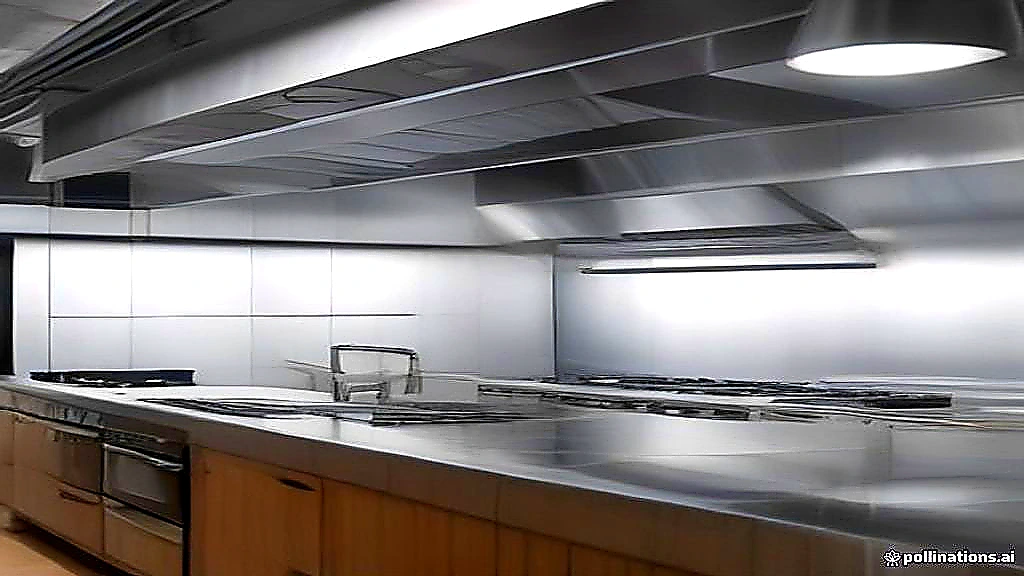
Cold storage is the backbone of a small restaurant. Undersized reach-ins force double stocking and temperature abuse; oversized walk-ins waste rent and electricity if your product turns slowly. Match cubic feet to how many days of ingredients you keep on hand, and separate raw proteins from ready-to-eat items with dedicated shelves or separate units when space allows.
Choose reach-in refrigerators and freezers with solid doors for efficiency, or glass doors when staff need fast visual inventory on a busy line. Look for digital temperature displays, door alarms, and easy-to-clean interiors. Confirm the condenser location: rear-breathing units need rear clearance; bottom-mount designs can be easier to service in tight kitchens but need protection from flour dust and grease.
Ice machines are often underestimated. Calculate pounds of ice per day from drinks, iced seafood displays, and bar service, then size for peak days-not average Tuesday volume. Place the machine where melt water drains properly and where heat and noise will not stress nearby refrigeration. Plan a wipe-down and filter schedule from day one; mineral scale and dirty condensers are leading causes of early failure.
Energy Use and Temperature Stability
Energy Star-rated commercial refrigeration can cut operating cost in kitchens that run 24/7. Still, placement matters as much as the label: keep condensers away from heat of the cookline and do not block airflow with boxes.
Verify that units hold NSF temperature ranges under real door openings. Train staff to open doors briefly and avoid overloading shelves so air can circulate. A unit that "looks cold" but is packed solid can still risk food safety.
Cooking Line Choices: Fryers, Ovens, Grills, and Prep
Cooking equipment should mirror your top sellers. If fried items drive revenue, prioritize fryer oil capacity, recovery time, and filtration access. If roasting and baking dominate, invest in a convection oven sized to your sheet-pan volume and hood space. Gas often delivers strong recovery and lower operating cost where gas is available; electric can be cleaner to install where gas is limited-but confirm circuit capacity first.
Grills and griddles need enough surface for peak tickets without forcing cooks to stack food. Measure usable cooking surface against your busiest 30-minute window. Leave space for landing racks and utensil storage so grease and raw product do not mix. For ranges and ovens, check BTU or kilowatt ratings against your menu's worst-case simultaneous load-not just idle simmer settings.
Prep equipment-slicers, mixers, food processors, and refrigerated prep tables-should match batch size. A large planetary mixer is wasted if you never batch dough; a tiny slicer creates bottlenecks at lunch. Prefer stainless food-contact surfaces, guards that stay on during use, and parts that disassemble for daily wash.
Safety, Ventilation, and Clearances
Any grease-producing appliance needs proper hood coverage, fire suppression where required, and clearances from combustibles per manufacturer instructions and local code. Do not squeeze a fryer under an undersized hood just because the footprint fits.
Keep nonslip flooring, accessible shutoffs for gas and power, and fire extinguishers appropriate for kitchen grease fires. Train staff on oil handling, filter changes, and cool-down procedures before opening day.
Maintenance That Protects Your Investment
Build a calendar for oil filtering, oven gasket checks, burner cleaning, and calibration. Dirty fryers and poorly sealed oven doors waste energy and hurt product quality. Keep manuals, warranty contacts, and a list of local service techs before equipment fails during service.
Budget, Phasing, and Buying Smart for Small Spaces
Small restaurants rarely outfit a dream kitchen in one purchase order. Rank equipment into must-have for opening, near-term upgrades after 90 days of sales data, and future capacity when volume justifies it. Used or certified refurbished commercial equipment can stretch budget if you verify condition, warranty, and parts availability-especially for refrigeration compressors and ice machine pumps.
Compare total cost of ownership, not sticker price alone. Factor energy, water, cleaning chemicals, filters, oil life, and service calls. A cheaper fryer that recovers slowly can cost more in labor and wasted product than a slightly higher-priced unit with better recovery. Ask vendors about lead times, installation requirements, and whether delivery includes uncrating and placement within your measured path.
When you finalize how to choose the right equipment for a small restaurant, document every choice against menu, peak covers, utilities, and workflow. Share that brief with chefs and managers so purchases stay aligned with operations instead of marketing brochures.
Category Setups That Scale With Growth
Think in stations: cold station, hot line, prep, and warewash. Modular pieces-another reach-in, a second fryer basket pair, or an extra prep fridge-are easier to add than ripping out a mismatched suite. Leave utility stubs or panel capacity for the next piece you know you will need if brunch or catering takes off.
Review performance after the first busy season: ticket times, temp logs, ice shortages, and oil usage tell you what to upgrade next.
A Practical Selection Checklist Before You Order
Confirm menu top sellers, peak covers, and average ticket mix. Measure the room, doors, and hood. Verify gas, electric, water, and drain capacity with a qualified installer. Size cold storage and ice to peak days with a small growth buffer. Match fryers, ovens, and grills to recovery needs and ventilation coverage.
Require NSF listing for food-contact and holding equipment where applicable. Plan daily and weekly cleaning tasks into staffing. Budget for filters, oil, and preventive maintenance. Keep one clear receiving-to-pass workflow so new gear does not create cross-traffic or temperature abuse.
If two options are close on price, choose the one that is easier to clean, service, and operate safely with your current staff skill level. Reliability and cleanability beat unused features every time in a small restaurant kitchen.
Common Mistakes to Avoid
Buying for a future volume you cannot staff yet. Ignoring condenser clearance and then blaming the unit for warm product. Skipping ice calculations. Choosing residential refrigeration to "save money." Crowding the line until cooks cannot move pans safely.
Avoid those traps and your equipment list will support service instead of fighting it.
Frequently Asked Questions
How do I know what size refrigerator I need for a small restaurant?
Estimate how many days of perishable inventory you hold and convert that volume into cubic feet, then add space for air circulation and labeled raw-versus-ready separation. Match the unit to peak ordering days, not quiet midweek stock. If you open doors constantly on the line, prefer a dedicated undercounter or prep fridge so the main reach-in stays stable.
Should a small restaurant buy gas or electric cooking equipment?
Choose based on available utilities, hood design, and menu recovery needs. Gas often offers strong heat response where supply and ventilation allow; electric can be simpler where gas is limited but may require larger electrical service. Confirm both operating cost and installation cost with a licensed contractor before ordering.
How much ice does a small restaurant typically need?
Calculate drink sales, bar use, and any iced food displays for your busiest day, then size the machine and bin for that peak rather than an average day. Add a buffer for heat load and dump cycles. Place the unit with proper drainage and keep filters and condensers clean so rated output stays realistic.
What commercial equipment is essential for opening a small restaurant?
Most kitchens need reliable refrigeration, appropriate cooking appliances for the menu (such as a range, oven, fryer, or grill), prep tables, warewashing capacity meeting code, and ice if beverages are central. Exhaust and fire protection for grease-producing equipment are nonnegotiable. Add specialty machines only after core cold holding, cooking, and sanitation are covered.
How can I reduce energy costs when choosing restaurant equipment?
Prefer efficient refrigeration, maintain clean condensers and door gaskets, and avoid oversized units that cycle inefficiently. Place cold equipment away from the cookline heat. Train staff on door discipline and schedule preventive maintenance so motors and compressors do not work harder than necessary.
Is used commercial kitchen equipment a good idea for a small restaurant?
It can be, if you buy from a reputable dealer, inspect compressors, thermostats, gaskets, and burners, and confirm parts availability and remaining warranty. Factor in installation and possible repairs. Critical refrigeration and ice machines deserve extra scrutiny because downtime hits food safety and sales immediately.
Conclusion
How to choose the right equipment for a small restaurant comes down to menu fit, measured capacity, utilities, workflow, and total cost of ownership-not flashy features. Size refrigeration, ice, fryers, ovens, and grills to peak service, protect food safety with commercial-grade cold holding, and leave room to clean and move safely.
Use the checklist above to brief vendors, compare options side by side, and phase purchases as volume grows. When you are ready to dig deeper into refrigeration, cooking lines, or category kitchen setups, explore more guides from Restaurant Equipment Guides and build a kitchen that earns its keep every service.
Looking for a ready-to-order option? Explore this How to Choose the Right Equipment for a Small Restaurant on The Horeca Store.
Compare commercial exhaust hood packages and related kitchen equipment at The Horeca Store.
Related Guides
- How to Calculate the Right Cooking Equipment Capacity for a Restaurant
- Small Restaurant Equipment List: Essential Equipment on a Budget
- How to Choose a Commercial Refrigerator for a Restaurant


Comments
Post a Comment