Conventional Oven Guide: When Steady Heat Still Wins in Commercial Kitchens
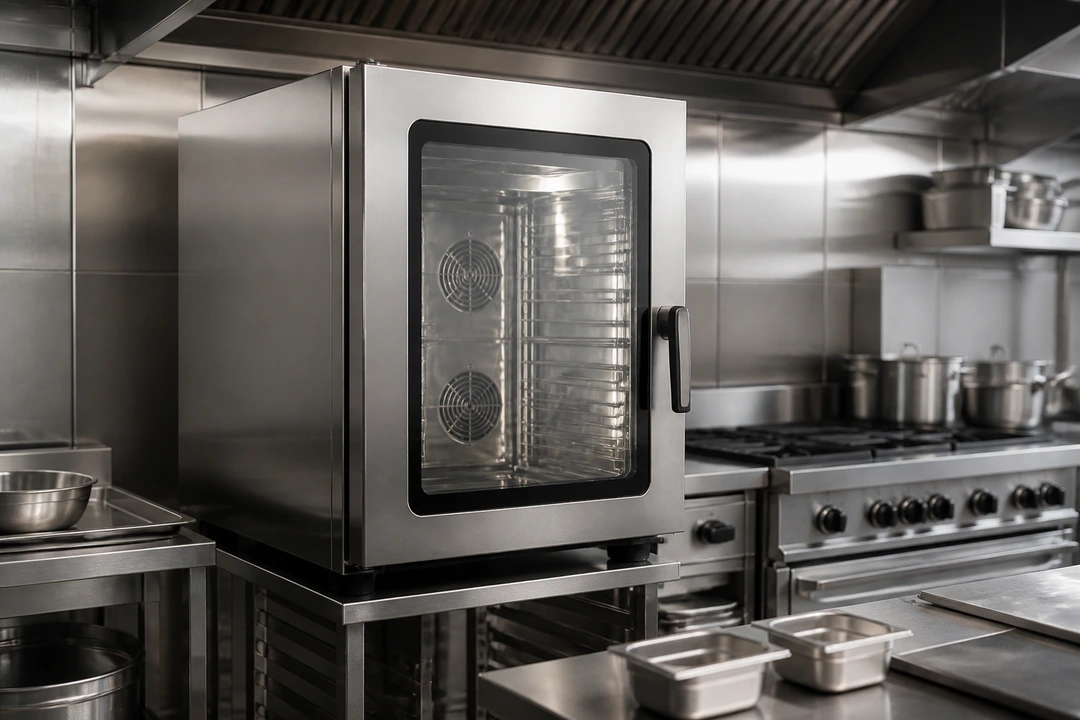
Educational hospitality equipment guide. Verify manufacturer specifications, utilities, and local codes before purchase or installation.
If you are researching conventional oven, you are likely trying to make a purchase decision that affects food quality, labor speed, and monthly operating cost. Hospitality equipment is not one-size-fits-all. The right choice depends on menu, volume, utilities, staff skill, and service model. This guide gives you a practical framework for evaluating conventional oven with the same rigor used by experienced operators and kitchen consultants.
Most buyers focused on conventional oven care about even radiant heat, baking delicate items, and menus that do not need aggressive air movement. Below you will find selection criteria, installation notes, budget logic, maintenance habits, and FAQ answers designed for restaurants, cafes, bars, and mobile food concepts.
What Conventional Oven Means for Real Operations
Marketing pages list features. Operations teams care about outcomes: consistent product, fewer emergency workarounds, and equipment that still performs at peak hour. Define success before you shop. Is your goal faster ticket times, better texture, lower energy use, tighter food cost, or safer cold holding? Your answer changes the shortlist.
Write a one-page brief for conventional oven: menu items affected, peak covers, available footprint, utility constraints, and must-have accessories. Hand that brief to every salesperson. Clear requirements prevent quote chaos.
Selection Criteria That Actually Matter
• Capacity matched to peak demand, not average Tuesday volume
• Footprint and clearance for doors, vents, and service access
• Utility compatibility: voltage, phase, gas, water, drain, and ventilation
• Cleanability and parts availability in your service area
• Warranty terms and realistic lead time to delivery/install
• Total cost of ownership: energy, chemicals, filters, and downtime risk
• Staff learning curve and whether training is included
• Future menu flexibility if your concept will expand in year one
While comparing options, review related buying guides such as convection oven vs conventional oven so your purchase decision stays connected to the rest of the operation.
Installation, Layout, and Workflow Fit
Even excellent equipment fails in a bad layout. Confirm doorway measurements, elevator limits, and final placement before ordering. Leave manufacturer-recommended clearance for heat rejection and service panels. Map the path of product from storage to prep to pass so the new unit reduces steps instead of creating a bottleneck.
Coordinate trades early when plumbing, ventilation, or electrical upgrades are required. Opening delays often come from late discoveries about dedicated circuits, floor drains, or hood requirements-not from the equipment itself.
Budgeting Without Cutting Critical Quality
Build three numbers: equipment price, install/accessories, and contingency. Accessories matter-water filters, stands, pans, regulators, draft parts, or dishwasher chemicals can materially change day-one readiness. A low sticker price with missing essentials is not a bargain.
If capital is tight, phase purchases around risk. Protect food safety and core production first, then add convenience or merchandising upgrades. For conventional oven, prioritize models with credible service support over unknown no-name deals that stall when a gasket or board fails.
Operators often cross-check best commercial fridge when deciding whether to buy new, used, mobile, or stationary solutions.
Daily Use, Training, and Quality Control
Train more than one person on startup, shutdown, cleaning, and basic troubleshooting. Post a laminated checklist near the station. Consistency comes from habits: calibrated thermometers, timed cleaning cycles, FIFO labels, and door discipline on cold equipment. Machines cannot compensate for skipped SOPs.
Create a simple quality check tied to the equipment. For ovens, verify bake times after installation. For espresso, dial-in and water recipe logs matter. For ice makers, taste and clarity checks catch filter issues early. For refrigeration, logged temps protect both guests and inventory value.
Maintenance That Protects Uptime
Preventive maintenance is cheaper than emergency rental gear during a weekend rush. Keep condenser coils clean, replace filters on schedule, inspect gaskets, descale where water contacts heat, and document service visits. Store manuals and serial numbers in one shared folder.
Ask suppliers about common wear parts before purchase. If local technicians rarely stock a critical component, factor spare-part lead time into your risk plan. Uptime is a purchasing specification, not only an operations hope.
A complete hospitality setup may also require planning around coffee house equipment, especially when production, cold holding, and service stations must expand together.
Category-Specific Guidance
Conventional ovens rely primarily on radiant heat and natural air movement, which can suit delicate bakes and recipes developed for still ovens. Convection ovens use fans to move hot air, typically speeding cook times and improving browning uniformity on many savory items. When comparing convection oven vs conventional oven options, test your signature items: laminated doughs, cheesecakes, protein roasts, and sheet-pan vegetables respond differently. Also compare cavity size, steam assist features, stackability, and whether staff will remember to reduce temperatures on convection recipes. Wrong settings create dry product and false blame on the machine.
Where to Explore Options
Compare hospitality equipment and category guides through The Horeca store, then match your shortlisted conventional oven choice to drawings, utilities, and opening timeline before paying a deposit.
Final Takeaway
Buying conventional oven well means clarifying the operational job, sizing for peak reality, installing with workflow in mind, and maintaining for uptime. Do that, and equipment becomes a quiet advantage-better food, faster service, and fewer costly surprises during your busiest hours.
Frequently Asked Questions
Q: How do I shortlist options for conventional oven?
A: Start with must-have capacity and utilities, eliminate anything that fails those constraints, then compare service support and total cost of ownership among the remaining two or three models.
Q: Is the cheapest option ever worth it?
A: Sometimes for low-risk accessories, rarely for core production or refrigeration. Downtime, energy waste, and product loss often erase sticker savings within months.
Q: Should I buy used?
A: Used can work when inspection is thorough and parts support exists. Verify performance under load, check seals and compressors or burners, and budget for immediate maintenance after delivery.
Q: What documents should I keep after buying conventional oven?
A: Save the invoice, serial numbers, install photos, manuals, warranty contacts, and a maintenance log. That packet speeds repairs and future reordering.
Revisit your conventional oven decision after the first 30-60 days of real service. Note bottlenecks, energy surprises, and staff feedback. Those notes improve the next purchase and help you train new team members on what "good" looks like in your specific concept.
As your volume grows, re-check whether your conventional oven setup still matches peak demand. Seasonal spikes, catering add-ons, and menu expansions can outpace equipment that felt perfect at soft opening. A quarterly capacity review keeps quality stable.
Share vendor contacts and cleaning schedules across managers so knowledge does not leave with one employee. Operational continuity is part of equipment value.
As your volume grows, re-check whether your conventional oven setup still matches peak demand. Seasonal spikes, catering add-ons, and menu expansions can outpace equipment that felt perfect at soft opening. A quarterly capacity review keeps quality stable.
Share vendor contacts and cleaning schedules across managers so knowledge does not leave with one employee. Operational continuity is part of equipment value.
As your volume grows, re-check whether your conventional oven setup still matches peak demand. Seasonal spikes, catering add-ons, and menu expansions can outpace equipment that felt perfect at soft opening. A quarterly capacity review keeps quality stable.


Comments
Post a Comment