Mexican Restaurant Kitchen Equipment List: Plancha-to-Pass Equipment for Mexican Menus
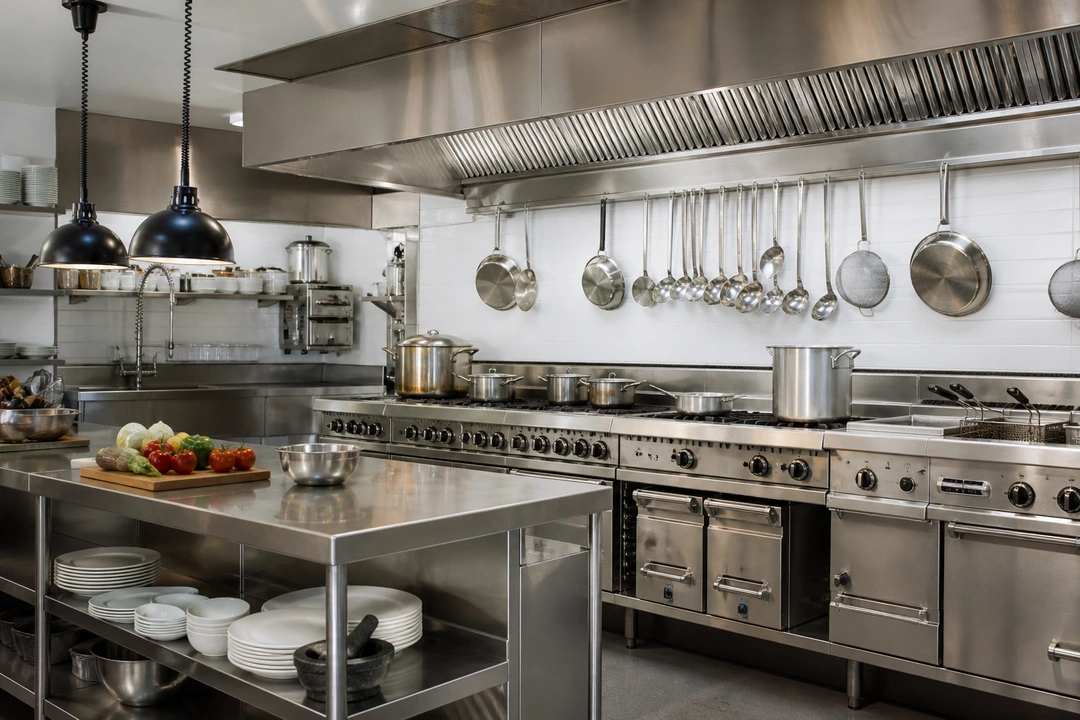
Educational buying guide for hospitality professionals. Always verify local codes, utilities, and manufacturer specifications before purchase or installation.
If you are planning, upgrading, or expanding a foodservice concept, a clear mexican restaurant kitchen equipment list saves money, prevents installation delays, and helps your team work faster from day one. Operators often buy one impressive machine and forget the support gear that keeps tickets moving-prep tables, refrigeration, smallwares, warewashing, and holding equipment. This guide turns mexican restaurant kitchen equipment list into a practical roadmap you can hand to a chef, consultant, or purchasing manager.
Whether you run a cafe, QSR, fine dining kitchen, cloud kitchen, or catering operation, the right mexican restaurant kitchen equipment list should match menu complexity, peak covers, utility capacity, and available floor space. Below you will find equipment priorities, layout notes, budget logic, maintenance habits, and buying tips designed for real HORECA conditions-not generic home-kitchen advice.
Why a Structured Mexican Restaurant Kitchen Equipment List Matters
A scattered shopping approach creates bottlenecks. You may have a powerful oven but no landing table, or a great espresso machine with no water filtration. Building your mexican restaurant kitchen equipment list by work zones-receiving, storage, prep, cooking, holding, service, and cleaning-keeps investment balanced. It also makes staff training easier because every tool has a station and a purpose.
Commercial equipment decisions also affect compliance and insurance readiness. Ventilation, fire suppression compatibility, temperature monitoring, and sanitary finishes are not optional extras. Planning them early prevents expensive retrofits after the contractor has already finished the slab and hood.
Core Equipment Zones to Cover
Start with cooking and production. For most concepts related to mexican restaurant kitchen equipment list, that means heat, cold, and prep capacity sized to your busiest hour-not your quietest Tuesday. Then add holding and service tools so food quality survives the pass. Finish with warewashing and sanitation so close-down does not become a nightly crisis.
A practical shortlist often includes: salsa prep coolers, fryer, steam table, molcajete display optional, ingredient rails, rice and bean warmers, plancha griddle, tortilla press or warmer. Expand from there based on menu signatures, packaging needs, and delivery versus dine-in mix. The second wave of gear usually includes backup smallwares and storage once volume proves stable.
Match Equipment to Menu and Volume
Menu engineering should lead purchasing. A breakfast-heavy cafe needs different recovery rates than a late-night burger line. High-sugar espresso drinks demand reliable steam pressure. Fried menus need oil management and filtration discipline. If your ticket time target is under eight minutes, prioritize equipment with fast recovery and staging space near the pass.
Estimate covers by daypart, then translate that into pans per hour, kilos of dough, liters of milk, or fryer basket cycles. That math is what turns a vague mexican restaurant kitchen equipment list into a defensible purchase plan your investors can trust.
Cross-check specialty needs against related guides such as bakery kitchen equipment list so your purchasing list stays complete instead of siloed by one department.
Layout, Utilities, and Workflow
Beautiful equipment in a bad layout still fails. Keep dirty and clean paths separate. Place refrigeration near prep to reduce walking. Align cooking batteries under correctly sized hoods. Leave landing zones for hot pans. In compact cafes and trucks, vertical storage and multifunctional machines matter more than trophy appliances.
Confirm electrical phases, gas lines, water pressure, drainage, and BTU loads before ordering. Many startup delays come from discovering that a machine needs a dedicated circuit or floor drain after it arrives. Measure doorways and elevator dimensions too-commercial ranges do not teleport into basements.
Budgeting Without Cutting Critical Quality
Allocate budget in layers: must-have production gear, guest-facing durability, and efficiency upgrades. It is often smarter to buy a reliable mid-tier workhorse with service support than the cheapest import with no spare parts locally. Factor in installation, accessories, warranties, water filters, and staff training-not only the sticker price on the machine body.
Phase purchases if needed. Open with a lean mexican restaurant kitchen equipment list that can execute the core menu flawlessly, then add specialty modules after sales data proves demand. That approach protects cash flow while still presenting a professional guest experience on opening day.
Operators comparing formats also review catering kitchen equipment list to understand which tools transfer across concepts and which are menu-specific.
Smallwares, Tools, and the Details That Save Minutes
Large machines get attention, but tongs, portion scoops, hotel pans, lids, labels, and cutting boards decide whether service feels calm or chaotic. Color-coded boards reduce cross-contamination risk. Portion tools protect food cost. Extra pans keep prep ahead of the rush. Build a smallwares reserve equal to at least one peak shift.
For teams building around mexican restaurant kitchen equipment list, create a labeled home for every high-use tool. Missing peelers and broken thermometers create silent food-safety and consistency problems. A weekly audit of drawers is cheaper than remaking tickets because seasoning or temperatures drifted.
Cold Chain, Holding, and Food Safety
Refrigeration is not just storage-it is production insurance. Separate raw and ready-to-eat zones. Use accurate thermometers and logged checks. Holding cabinets and steam tables only help when set points and rotation habits are trained. Guests taste neglect quickly, especially in fried, dairy, and sauce-heavy menus.
Warewashing capacity must match plate-up speed. Undersized dish pits create dirty-dish dams that stop the pass. Choose sinks, chemical systems, and rack volume for actual meal peaks. Sanitation closets should be stocked before opening week, not after the first health inspection scare.
A complete operations view also includes chinese restaurant kitchen equipment list, because front-of-house and back-of-house purchases only work when planned together.
Maintenance, Training, and Vendor Support
The best equipment fails without cleaning schedules and preventive maintenance. Descale espresso boilers, filter fryer oil, check door gaskets, calibrate thermostats, and keep manuals in a known place. Train more than one person on each critical machine so vacations and shift changes do not freeze service.
Choose suppliers who can explain installation requirements, spare parts, and realistic lead times. Ask about demo units, warranty process, and after-sales service coverage in your city. A slightly higher purchase price with strong local support often costs less over three years of service calls and downtime.
How to Use This Mexican Restaurant Kitchen Equipment List During Procurement
Convert the guide into a spreadsheet with columns for item, quantity, utility needs, preferred brand tier, unit cost, alternate option, and arrival date. Assign owners for kitchen, bar, dining, and cleaning categories. Review the list against the menu once more before deposits are paid. If a dish leaves the menu, related specialty equipment should leave the purchase order too.
During receiving, check voltage, accessories, dents, and model numbers against the invoice. Photograph serial plates for warranty files. Install in the order that unlocks workflow: infrastructure and refrigeration first, then cooking line, then finishing and service tools.
Where to Source Reliable HORECA Equipment
For operators who want curated commercial options in one place, The Horeca store is a practical destination to compare hospitality equipment and plan purchases with clearer category coverage. Use your finalized list, confirm utilities, and buy in phases that match your opening timeline.
Final Takeaway
A strong mexican restaurant kitchen equipment list is a business system, not a random cart of shiny machines. Size for peak volume, design for workflow, budget for support gear, train for consistency, and maintain for uptime. Do that, and your kitchen or cafe will serve faster, waste less, and scale with far fewer expensive surprises.
Frequently Asked Questions
Q: Can I mix new and used commercial equipment?
A: Yes, if refrigeration and safety-critical systems are reliable and serviceable. Inspect gaskets, compressors, thermostats, and burners carefully. Keep warranties and spare-part access in mind before choosing used for mission-critical stations.
Q: How often should I update my mexican restaurant kitchen equipment list?
A: Review after menu changes, volume jumps, or repeated breakdowns. A quarterly audit of smallwares and an annual review of heavy equipment performance keeps purchasing proactive instead of emergency-driven.
Q: What should I buy first when building a mexican restaurant kitchen equipment list?
A: Prioritize the equipment that directly produces your top-selling items and protects food safety-core cooking, refrigeration, prep surfaces, and sanitation. Add specialty machines only after the core line can run a full peak shift without chaos.
Q: How do I right-size equipment for my concept?
A: Use peak-hour projections, not average days. Translate covers into pans, baskets, shots, or dough trays per hour, then choose capacity with a modest buffer. Oversizing wastes capital and energy; undersizing destroys ticket times.
Keep this mexican restaurant kitchen equipment list living document in your operations folder. Update quantities after the first month of sales, note which tools staff actually use, and remove orphaned items that looked useful in theory but slowed the line in practice. Continuous refinement is how professional foodservice operations stay profitable.


Comments
Post a Comment